Hidden strabismus: how it develops and how to spot it
We often hear that if you don't wear glasses, your vision must be fine. Yet our optometrists regularly uncover various imperfections in precisely these cases – including hidden strabismus, invisible to the naked eye.
11. November 2024, Author: Barbara Garaj, Photo: Martin Guniš
Strabismus, or squint, is a disorder of eye coordination – a condition where the visual axes don't intersect at the same point.
There are several reasons why strabismus develops. Most commonly, it's an imbalance of the eye muscles. Uncorrected refractive errors like nearsightedness, farsightedness, or astigmatism can also contribute to its onset.
Other causes include neurological disorders or head injuries. Strabismus can develop in childhood, though some forms may appear later in life.
Hidden strabismus versus manifest strabismus
Strabismus puts strain on the entire binocular system responsible for eye coordination. In practice, this means that increased fatigue can lead to poorer vision. Suddenly you can't focus properly – and often the blur isn't caused by your prescription at all, but by the strabismus itself, which essentially throws your eyes out of sync.
If we don't address these emerging difficulties, your vision becomes plagued by blurred images and, in the worst cases, double vision. Strabismus can be divided into two main categories: hidden and manifest.
Hidden strabismus
It's called hidden because we can't see it with the naked eye, and often we're not even aware we have it. Under normal circumstances, hidden strabismus doesn't manifest because the eyes work together and the eye muscles are strong enough to keep the eyes properly aligned.
Our visual system has various mechanisms to compensate for small deviations in alignment, but once these deviations begin to worsen over time, our compensatory mechanisms can no longer keep up and they fail. This can eventually lead to manifest strabismus. Early diagnosis at our optician's allows us to catch the problem and establish the next steps.
Manifest strabismus
Manifest strabismus is a condition where the eyes are visibly asymmetric. When looking at objects, it's clear that one eye points in a different direction than the other. The squint may appear after birth or develop in the first years of life, when visual development is still incomplete. For this reason, eye coordination may never establish itself at all, and each eye essentially functions independently. This is why strabismus is often associated with amblyopia, or lazy eye. Simply put, the brain gradually switches off the deviated eye and stops using it. The sooner we intervene, the higher the chances of successful treatment.
Manifest strabismus can also develop in adulthood, though. Once manifest strabismus appears after visual development is complete, it may present as double vision. This affects our perception, which influences the ability to properly focus attention on objects, coordinate movements, and overall visual quality – impacting daily activities and psychological well-being.
Professional examination by an optometrist
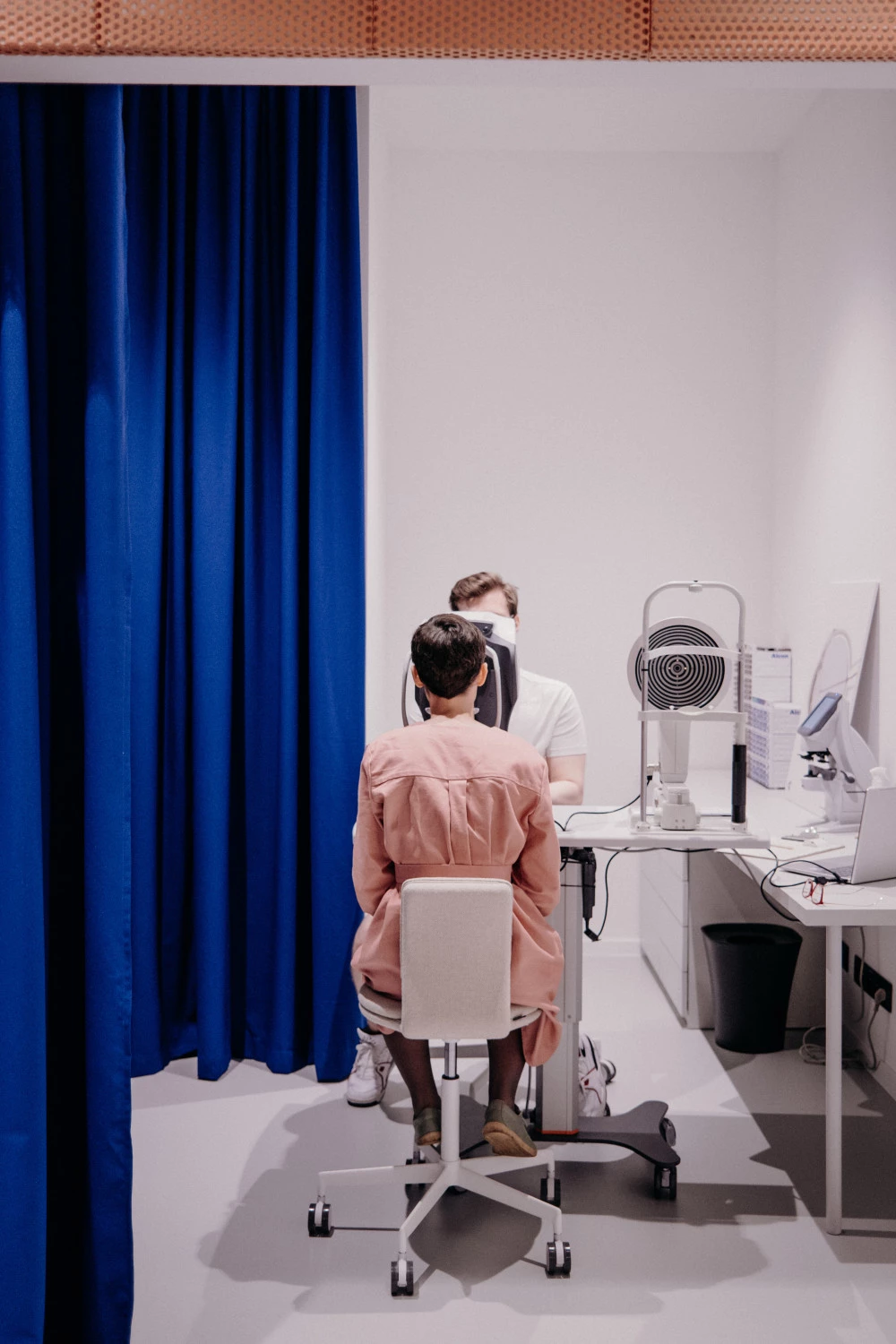
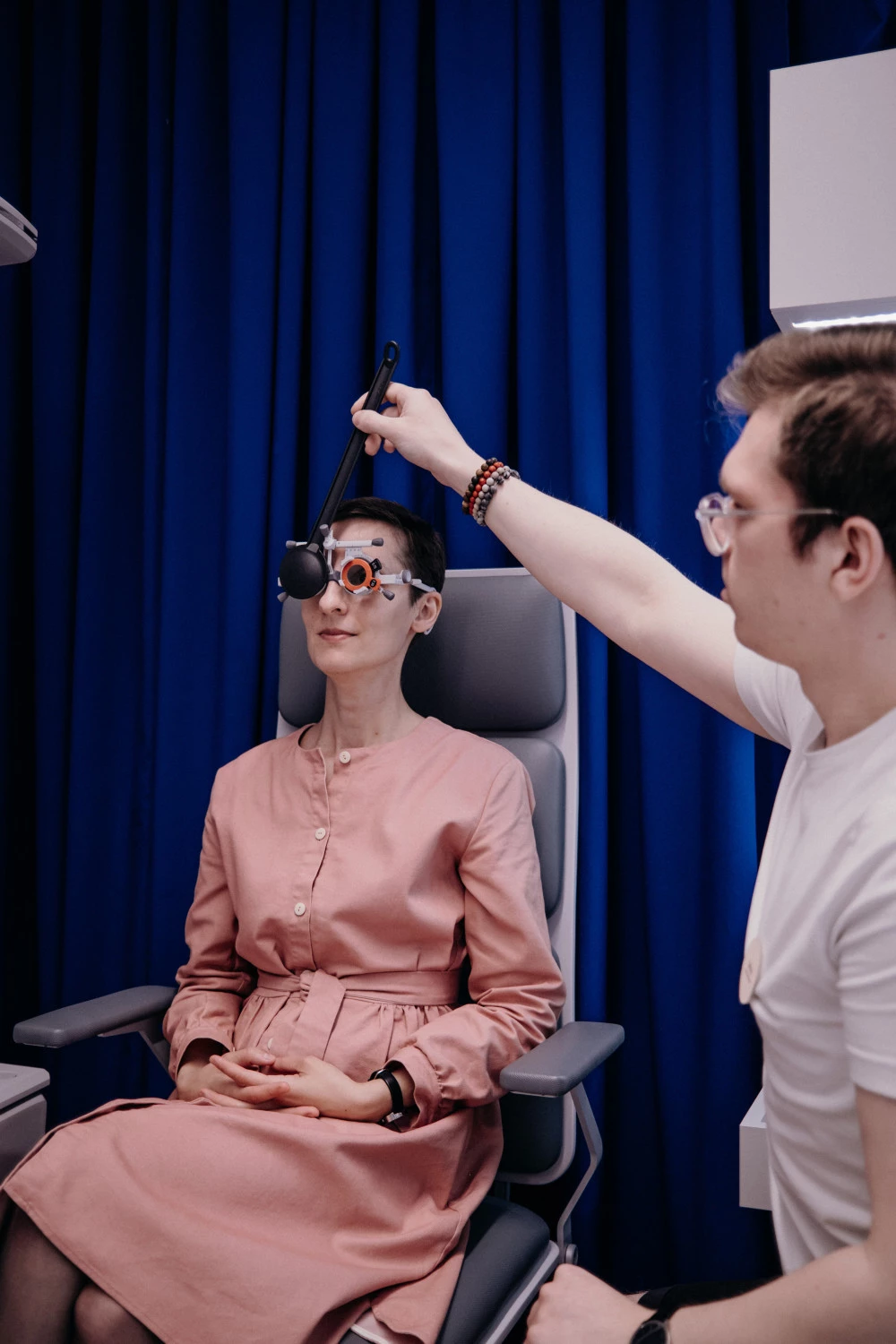
During a standard examination at ZITA, we perform screening tests that reveal problems with strabismus. Once we determine that strabismus may be behind the described difficulties, we arrange a more in-depth examination where we diagnose the problem in greater detail. Based on the specific type of strabismus, we determine the appropriate solution. The first step is always to establish the correct correction, then consider whether visual training or prismatic correction is needed.
If you're experiencing difficulties of this type, we advise you not to delay your visit:
problems focusing on objects
difficulty with focusing
increased fatigue
headaches
frequent migraines
head tilt
double vision
worsening symptoms at the end of the day
Keep in mind, though, that hidden strabismus can manifest in adulthood even if you've never worn glasses. The extent to which your eyes' ability to work together is compromised can only be determined through a professional eye examination with our optometrist. Take care of your eyes and book an appointment for an eye exam at our optician's.