Optician, Optometrist and Ophthalmologist: What’s the Difference?
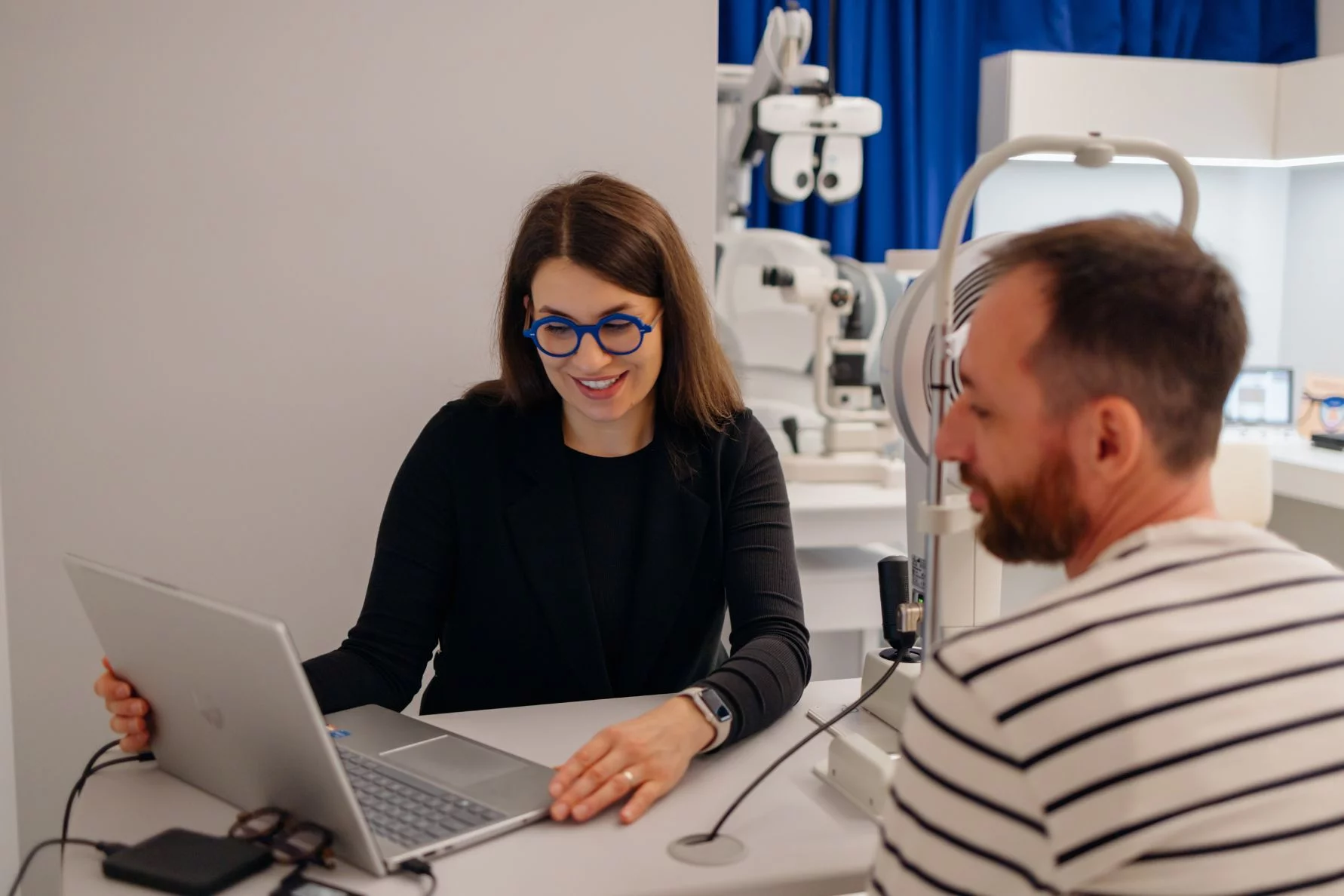

“Should I see an ophthalmologist or book an appointment with an optometrist? And who can help me choose the right glasses?”
2. july 2026, Author: Barbara Garaj, Photo: Zuzana Luther
At first glance, the difference between an optician, an optometrist and an ophthalmologist is not always obvious. However, each of these professionals plays a different role in looking after your vision.
Let's take a closer look at who can help you choose glasses, who examines your eyesight, and when it's time to visit an ophthalmologist.
Optician: From Choosing Frames to Your Finished Glasses
When you walk into an optical store, the optician is often the first person you meet. They will welcome you, ask what brings you to us and guide you through the next steps – whether you are here for an eye examination, looking for new glasses, seeking advice or having your current glasses adjusted.
Your optician will also be there for you after your eye examination. They will help you find frames that fit comfortably, suit your face and match what you are looking for.
They will then recommend the most suitable lenses based on your vision needs and how you will use your glasses in everyday life.


An optician's work does not end once you have chosen your glasses. They ensure your glasses are made precisely and adjust them so they fit comfortably when you collect them.
If your glasses become loose, start to pinch or simply need a little extra care over time, you are always welcome to visit ZITA. Our opticians will adjust them, tighten the screws and clean them for you.
Optometrist: The Vision Examination Specialist
An optometrist is the professional who looks after you throughout your eye examination. While many people associate optometrists mainly with measuring prescriptions, their role goes far beyond determining the correct prescription.
They also assess how your eyes work together, how they focus at different distances and whether they create a single, clear image.
If your optometrist notices any signs that require medical attention during the examination, they will recommend that you visit an ophthalmologist.
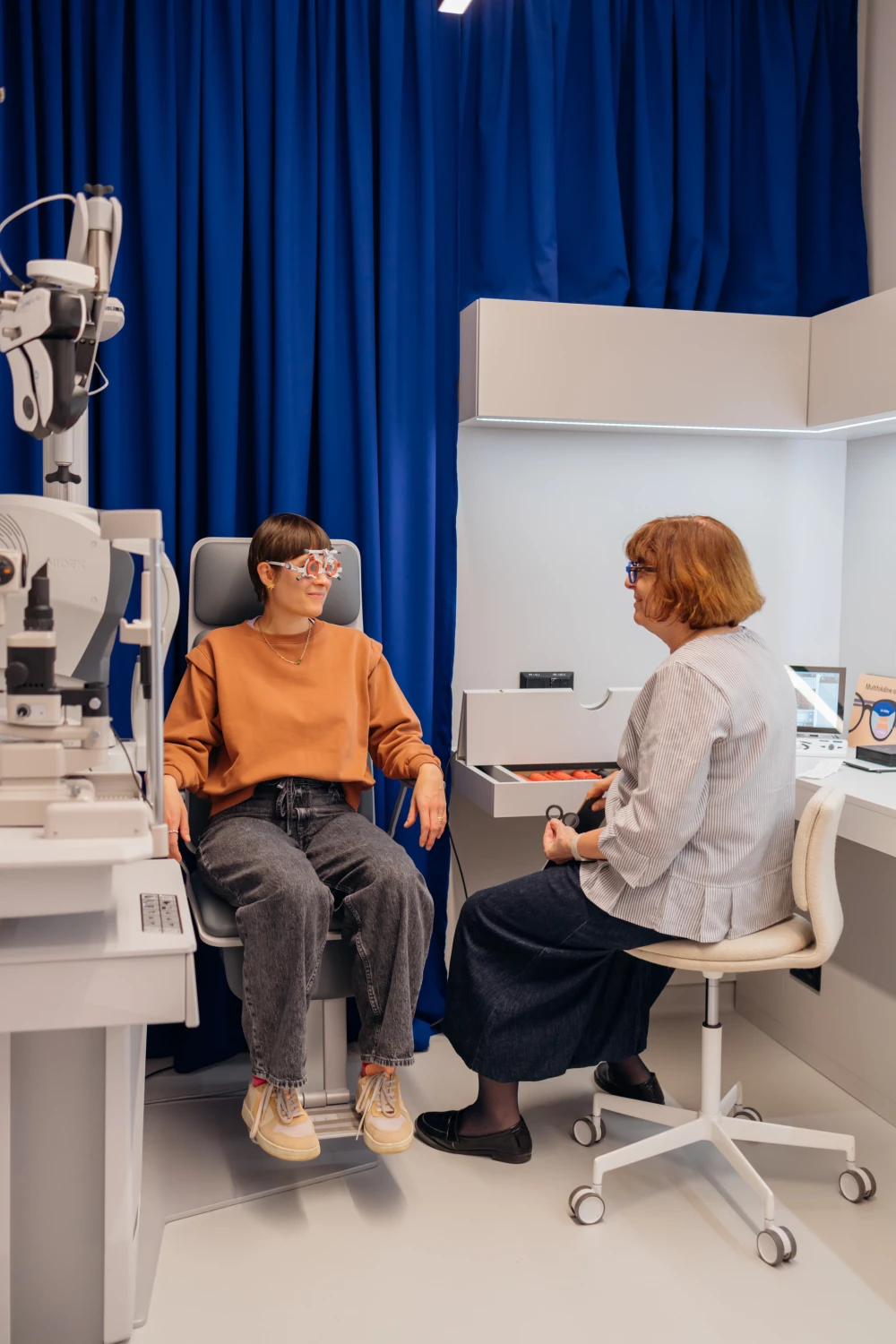

Optometrists diagnose and correct refractive errors, while the diagnosis and treatment of eye diseases fall within the expertise of an ophthalmologist.
If you would like to learn more about what an eye examination involves, read our article "Eye Examination with an Optometrist: Step by Step."
Ophthalmologist: A Medical Doctor for Eye Health
An ophthalmologist is a medical doctor who specialises in diagnosing, treating and monitoring eye diseases. Unlike an optometrist, they focus on the medical health of the eye – from infections and injuries to conditions such as glaucoma, cataracts and retinal diseases.
You should visit an ophthalmologist if you experience eye pain, redness, an eye injury, sudden changes in vision or any other eye-related medical concerns. They also provide ongoing care and regular check-ups for patients with diagnosed eye conditions.
Three Professions, One Shared Goal
Each of these professionals has an important role in caring for your vision. Although their responsibilities differ, they all share the same goal: helping you see as well as possible while keeping your eyes healthy.
The best care is timely care. That is why we recommend having a preventive eye examination every two years, even if you feel your vision is perfectly fine. If it has been a while since your last eye examination, book your appointment today.