Contact lenses: who they're for and what you need to know
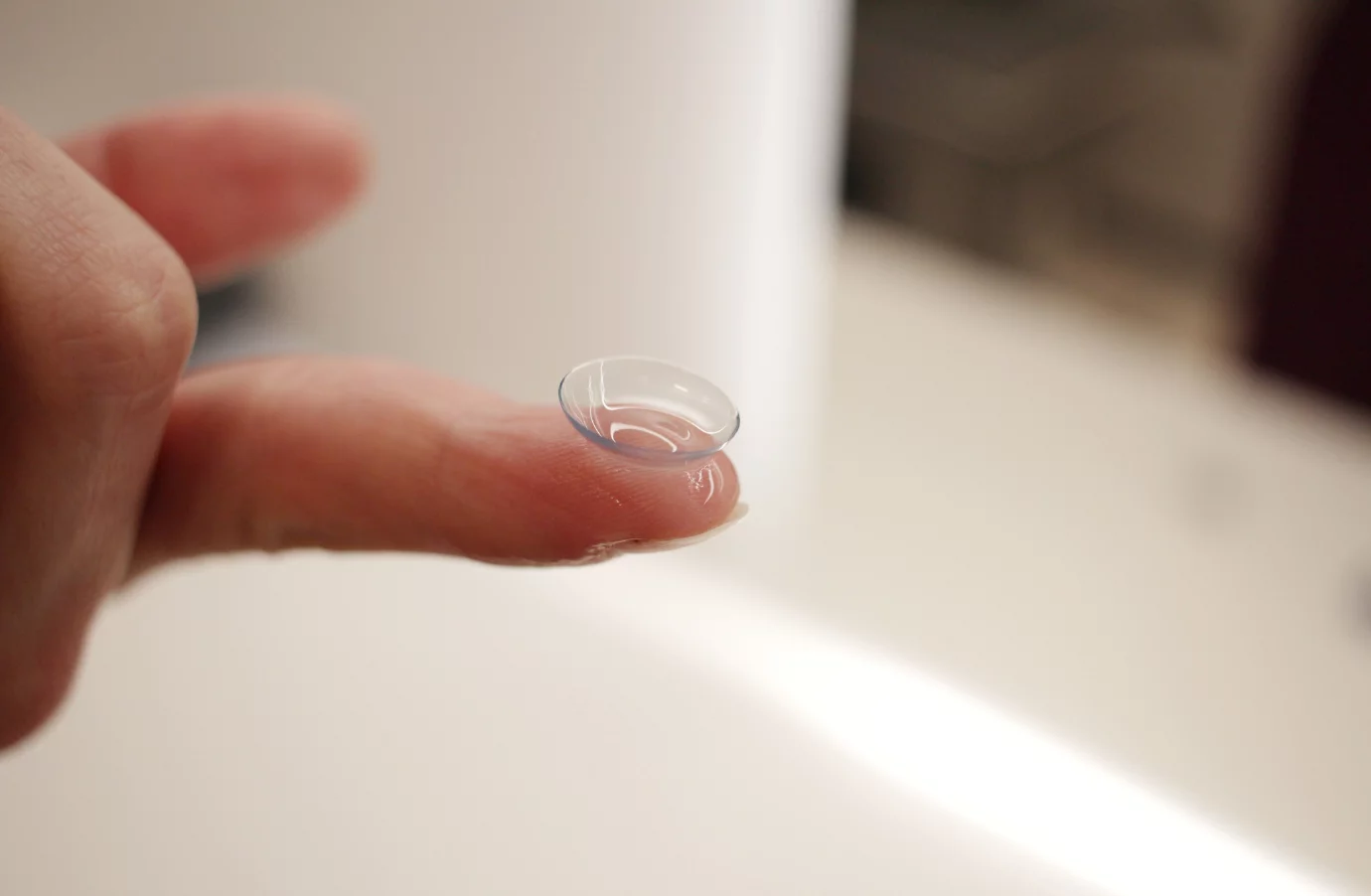

Contact lenses make life easier in many ways, but wearing them incorrectly can actually do more harm than good. That's why proper care and regular replacement matter so much.
4. April 2025, Author: Barbara Garaj, Photo: Barbara Garaj
Most of us reach for contact lenses when glasses get in the way – at work, during sports, or just in everyday life. Or sometimes we simply can't get used to glasses on our face, so we choose the lighter alternative.
For sports, we recommend contact lenses for safety reasons too. With glasses, a collision or fall can easily injure your eye and face. Whether you'll wear lenses while being active depends on your preferences and the type of sport. You can swim, run, cycle, and even ski in them.
Daily and monthly lenses
Today's contact lenses are made from silicone hydrogel. The soft polymer gives them elasticity and flexibility, making them easy to put in. They maintain these properties thanks to the saline solution they're stored in. If you forget a lens out in the air, it will harden and stop working. So never forget to soak your lenses overnight in solution.
The market mainly offers daily and monthly lenses. With dailies, you skip the everyday care and handling of solution – after you take them out, you simply throw them away. An unopened pack lasts a long time, so it's up to you when you open it. Just remember that once you open them, the wearing day begins, and when you take them out of your eyes, they should go straight in the bin.
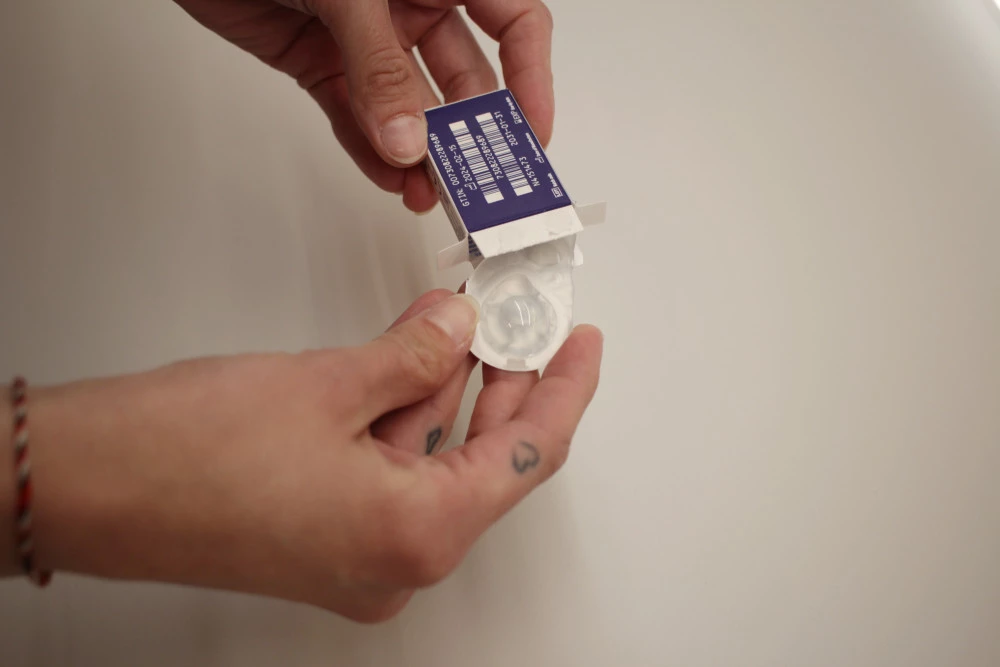
Monthly lenses require thorough care. Each lens is individually wrapped, but the countdown starts the moment you open it. No matter how many times you wear them during that month, you have to throw them out after thirty days anyway. If you feel you're not using them much over the month, switching to dailies will be better value.
With monthlies, you can never be 100% certain no infection will reach your eye. But you can help yourself with peroxide solution, which – unlike regular solution – cleans lenses thoroughly, though it won't extend their wearing time.
You don't need to use peroxide cleaner every day. Just soak your lenses two or three times a week for at least 6 hours, ideally overnight. Peroxide guarantees your lens will be hygienically and deeply cleaned, and comfortable in your eye throughout the entire month of wear.
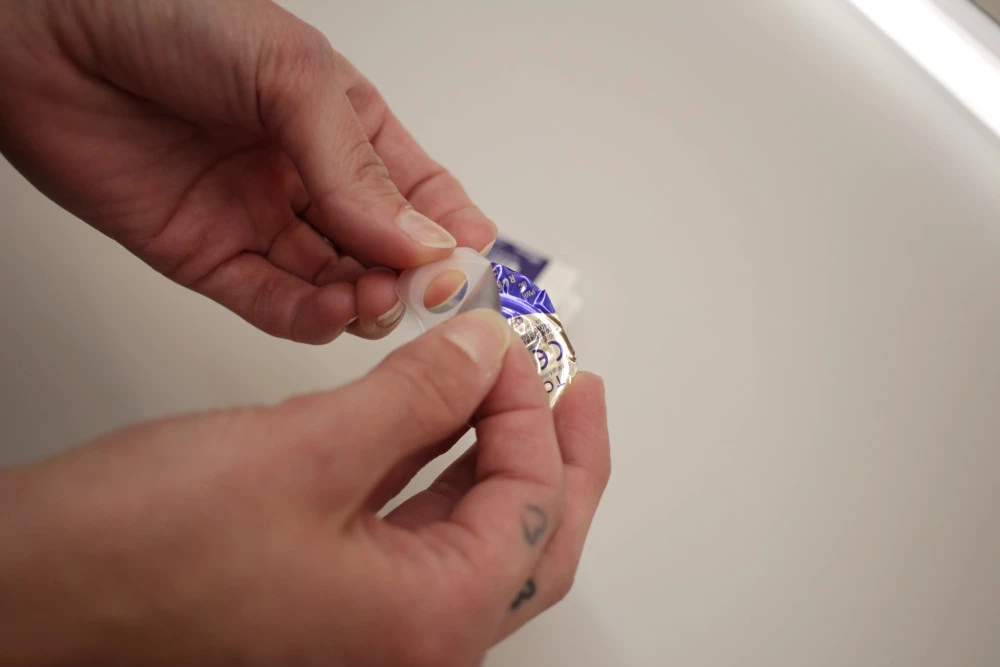
Putting in contact lenses
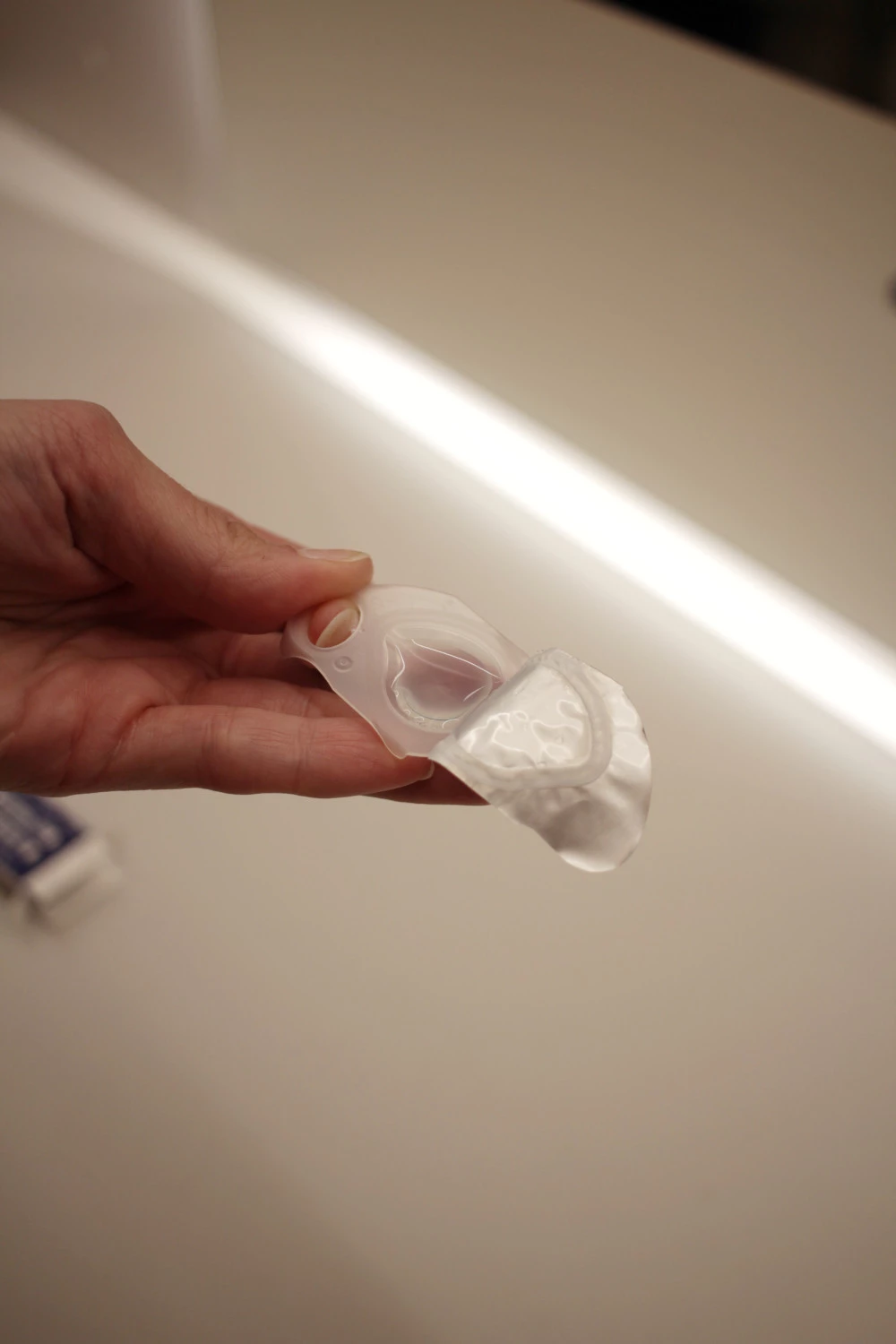
Getting contact lenses in isn't rocket science, but if you've never done it before, you should come see us at the optician's. We'll show you how to apply them properly. Our optometrists will explain which side goes in and how to tell them apart. Lenses should only go into healthy eyes – if you're dealing with inflammation, avoid wearing lenses for a while.
At ZITA we can easily handle dry eyes too. There are drops – artificial tears – that moisten your eyes so you won't have any trouble with lens application.
How to apply them properly?
The best way to put a lens in your eye is with a gentle motion, so it floats a little on the eye rather than sitting too tight. It can happen that if a lens is too tight, almost stuck on, the cornea underneath starts to dry out and you'll feel discomfort. It's also not good if the lens floats up and down in your eye. With too much movement, you'd start seeing blurry during normal use.
At ZITA we check how the lenses move, ensuring you get contact lenses with the right dimensions and correctly measured prescription. During application, it's important to observe how you feel in them – that's how we determine whether we've chosen the right lenses for you.
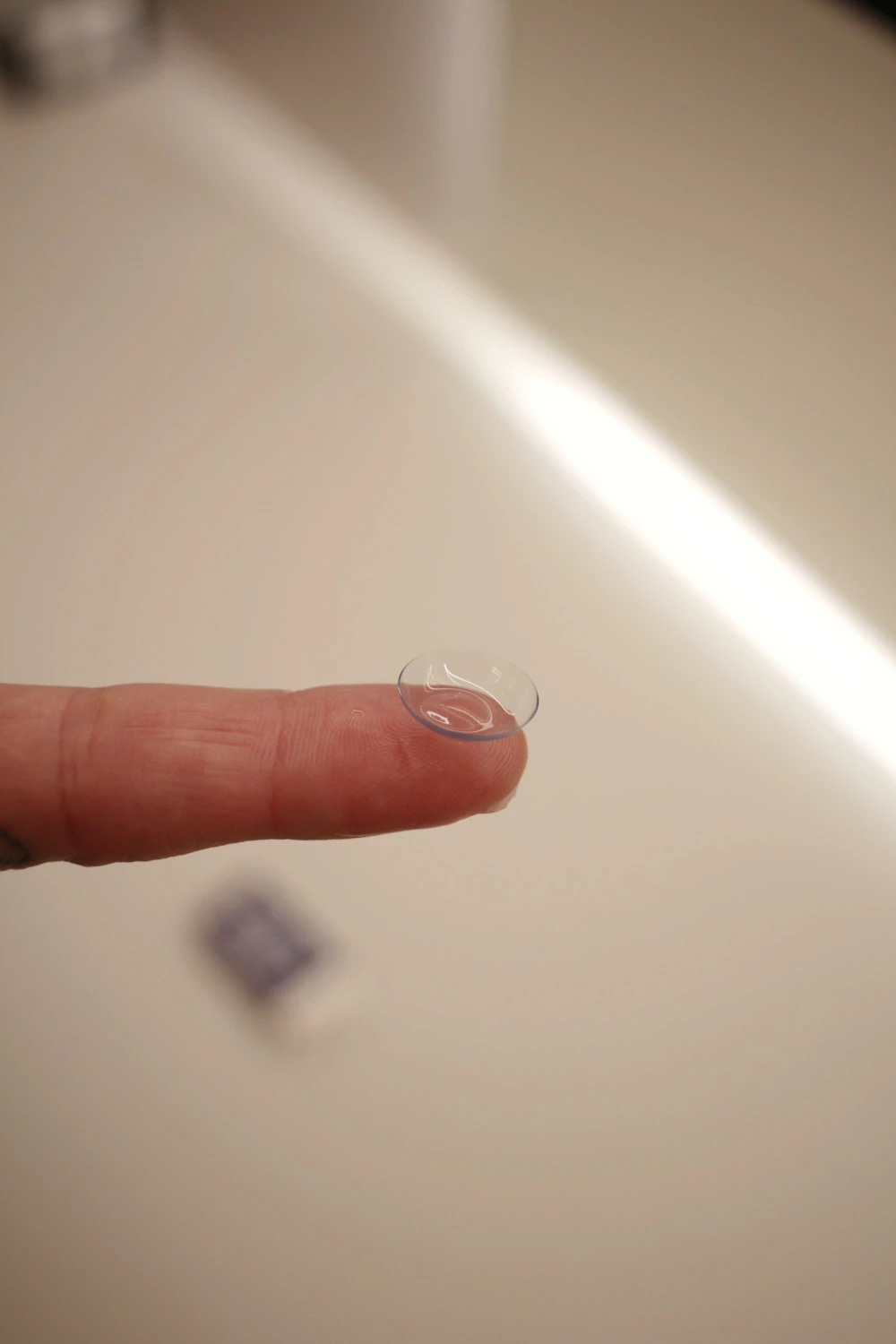
But before the lens fitting comes a professional eye exam with our optometrist. If you haven't had an exam in more than two years, you should come in for a vision check first, then book with the optometrist for a lens check or initial fitting. You can book your eye exam with us online.
Based on your current prescription, we'll order lenses for you and agree on next steps. Usually we plan several appointments with you, where we find out how the lenses wear, check how they behave after a full day at work or in demanding situations, and also look at mobility. If the lens sits well in your eye and no problems arise, you can happily wear them from that point on.
If you have any questions about lenses – whether you already wear them, are considering whether they're the right solution for you, or want to book a check-up – get in touch by email at optika@zita.sk, by phone, or in person. We're happy to guide you through the whole process at our optician's.