Dry Eyes: How to Recognise Them and When to Pay Attention
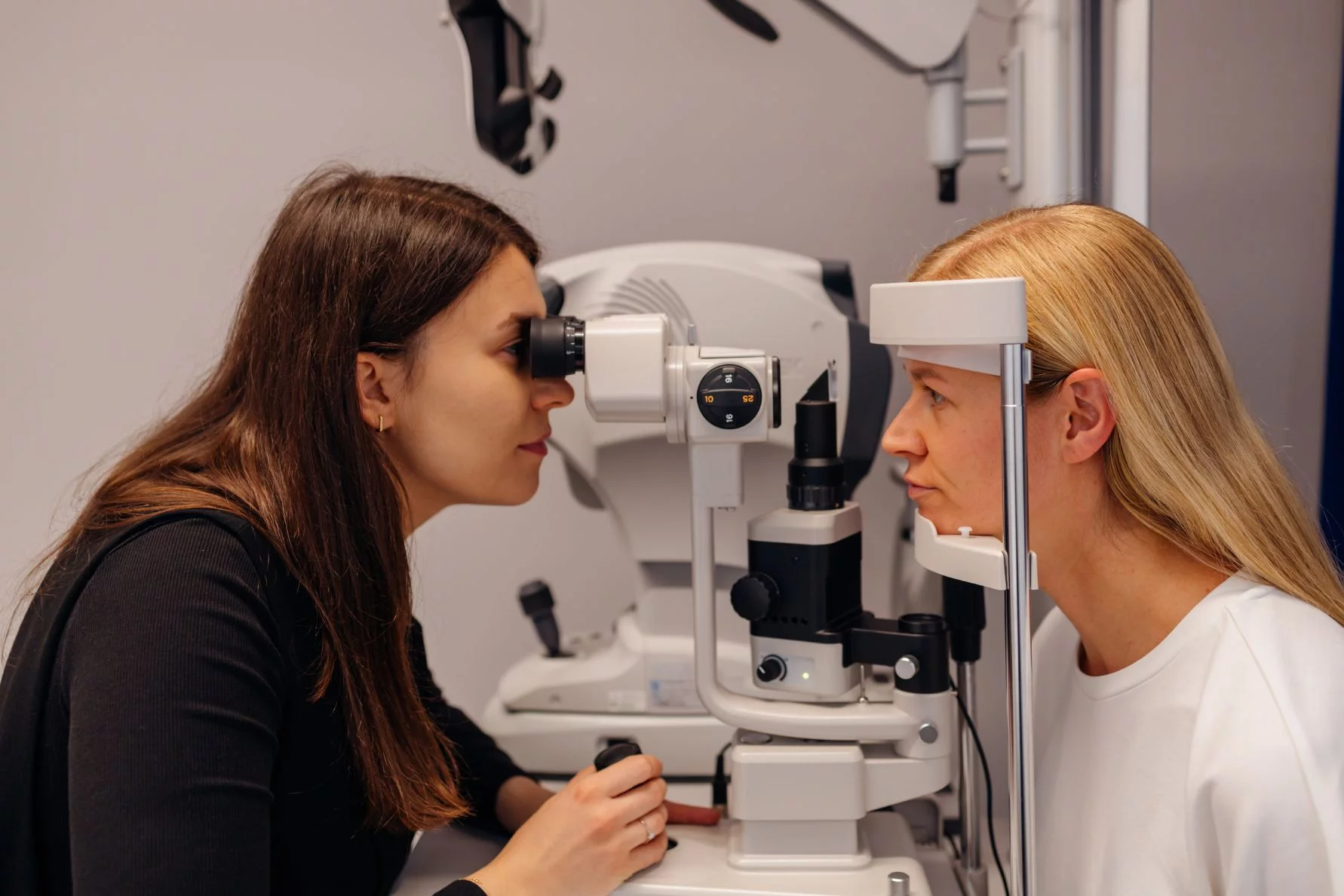

Dry eyes are one of the most common concerns we come across in our optical practice. The cause might surprise you.
8. april 2026, Author: Barbara Garaj, Foto: Zuzana Luther
Dry eyes are a widespread problem these days. They show up as burning, stinging, a feeling of dryness — or paradoxically, excessive tearing. Many people mistake them for tiredness, but in reality it's a sign that tears simply aren't doing their job.
What is dry eye syndrome?
The tear film is made up of several layers that work together, each with its own role. One keeps tears from evaporating too quickly. Another provides moisture and nutrients. And the thinnest one helps tears spread evenly across the surface of the eye. When even one of them stops working properly, the whole system is thrown off balance.
Dry eye syndrome occurs when tears aren't doing their job. On the outside, this shows up as either too few tears or tears that can't stay in place long enough. When that happens, uncomfortable sensations can appear that make your day harder.
How do you know if you have dry eyes?
You may have noticed it while sitting at a computer, driving, or simply focusing on an everyday task — suddenly your eyes don't feel right. There's a burning, stinging sensation, or the feeling that you have grains of sand in your eyes.
These symptoms aren't tied to just one situation. They can appear anywhere — outside in the wind, in dry air, or in the middle of an ordinary day.
Sometimes blurred vision joins in — the kind that makes it seem like your eyes can't focus, but clears up for a moment right after you blink.
This often happens when we're concentrating hard and forget to blink. Other times, the eyes paradoxically start to water more. This is a natural compensatory response to irritation.
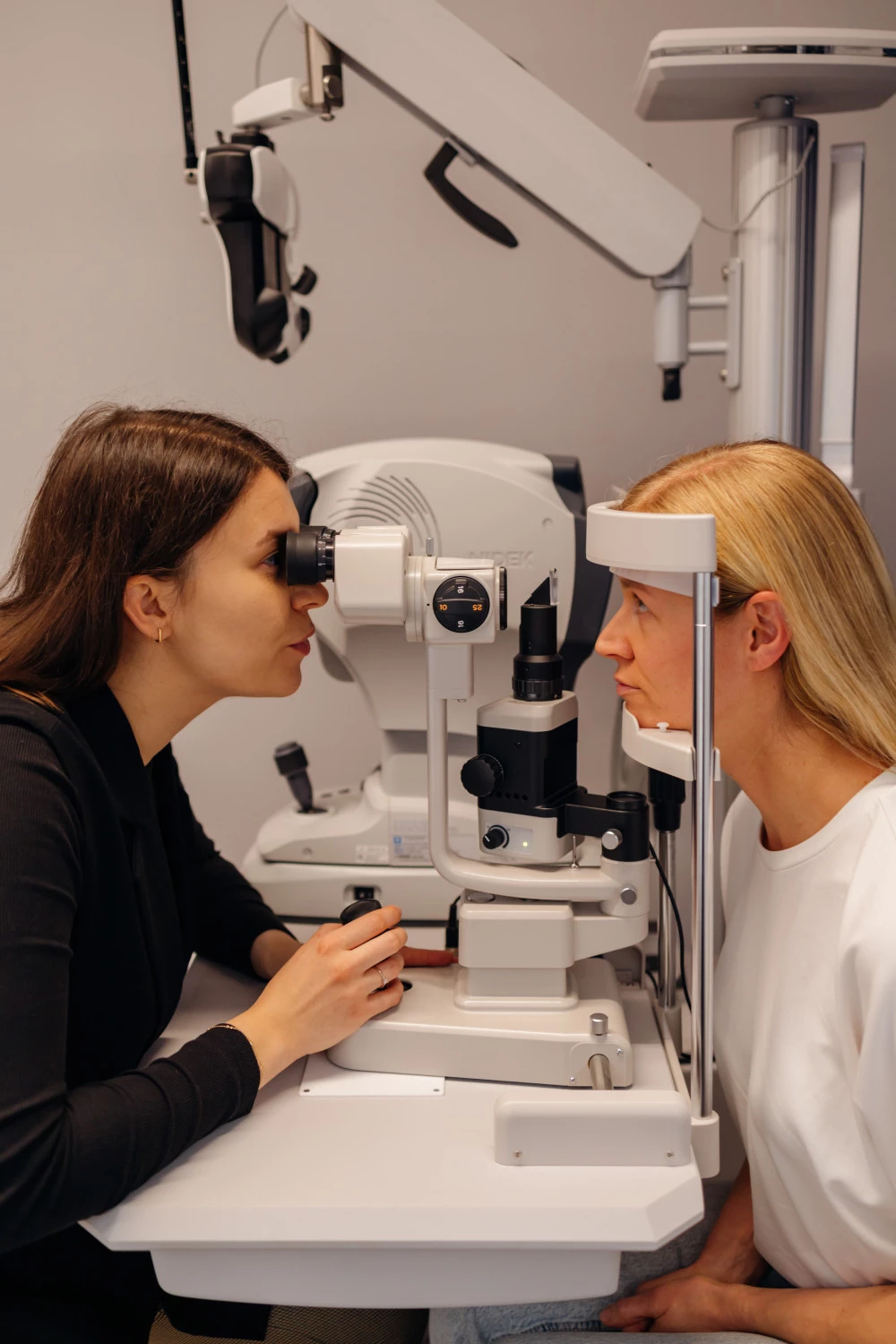

We often put these difficulties down to tiredness. We rub our eyes and carry on. But when they keep coming back regularly, it's not just tiredness — it's a sign that the balance of the tear film has been disrupted.
Why do eyes start to dry out?
Dry eye doesn't develop overnight. It's often a gradual change we don't notice at first. The environment plays a big role. Dry air, wind, or air conditioning cause tears to evaporate more quickly.
How we use our eyes matters too. When we concentrate or work up close, we blink less, and the tear film doesn't get a chance to renew itself naturally. Wearing contact lenses is also connected to this, as lenses naturally dry the eyes out.
Natural changes over the course of life can also play a role. With age or during hormonal shifts, both the quality and quantity of tears can change.
If these symptoms bother you regularly, your eyes deserve more attention. At ZITA, we're happy to take a closer look, explain what's going on, and recommend something that will genuinely help.
Come and see us in Pradiareň. All it takes is booking an appointment.