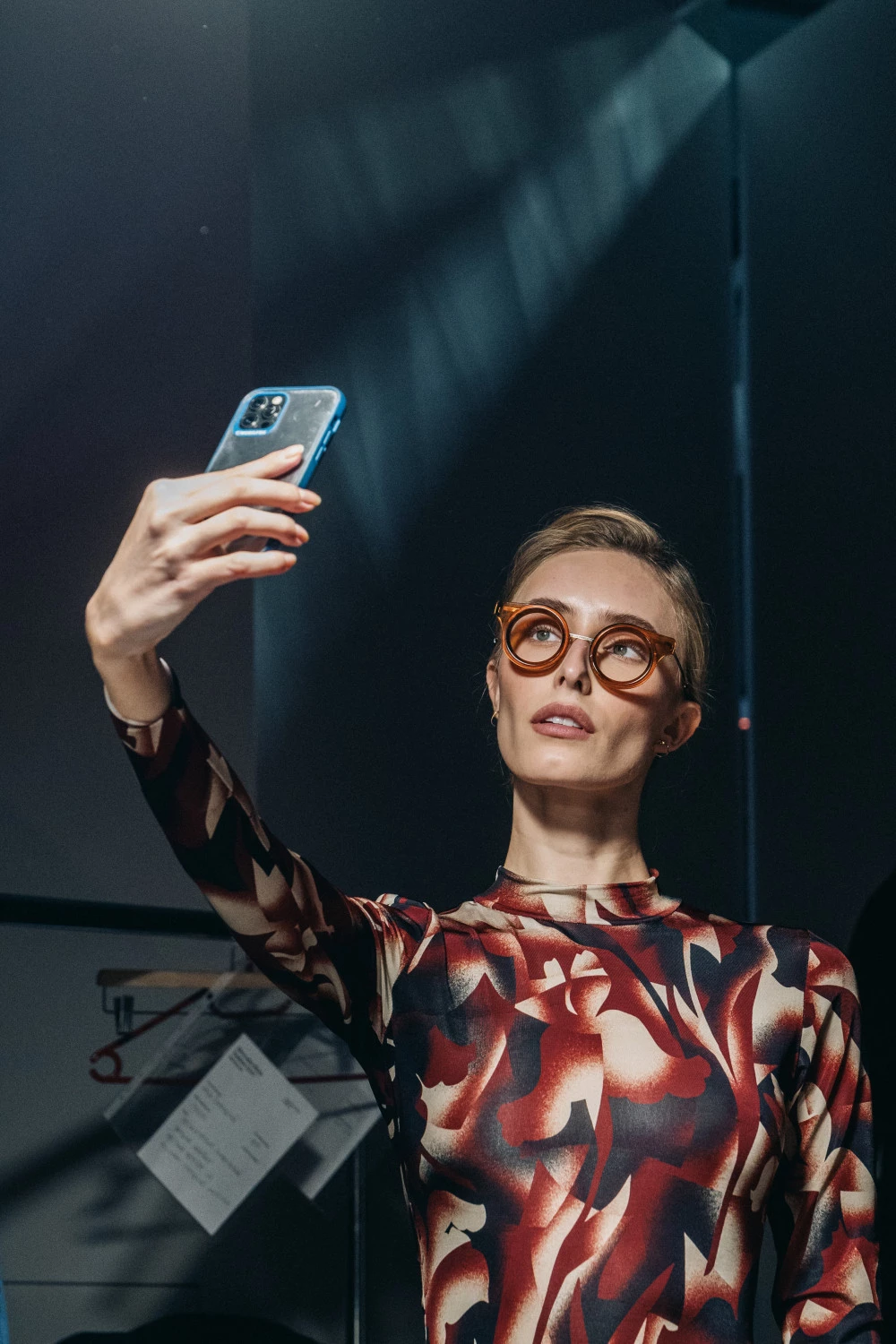
Maria Stvrtecka and ZITA: The right eyewear can highlight the wearer's personality


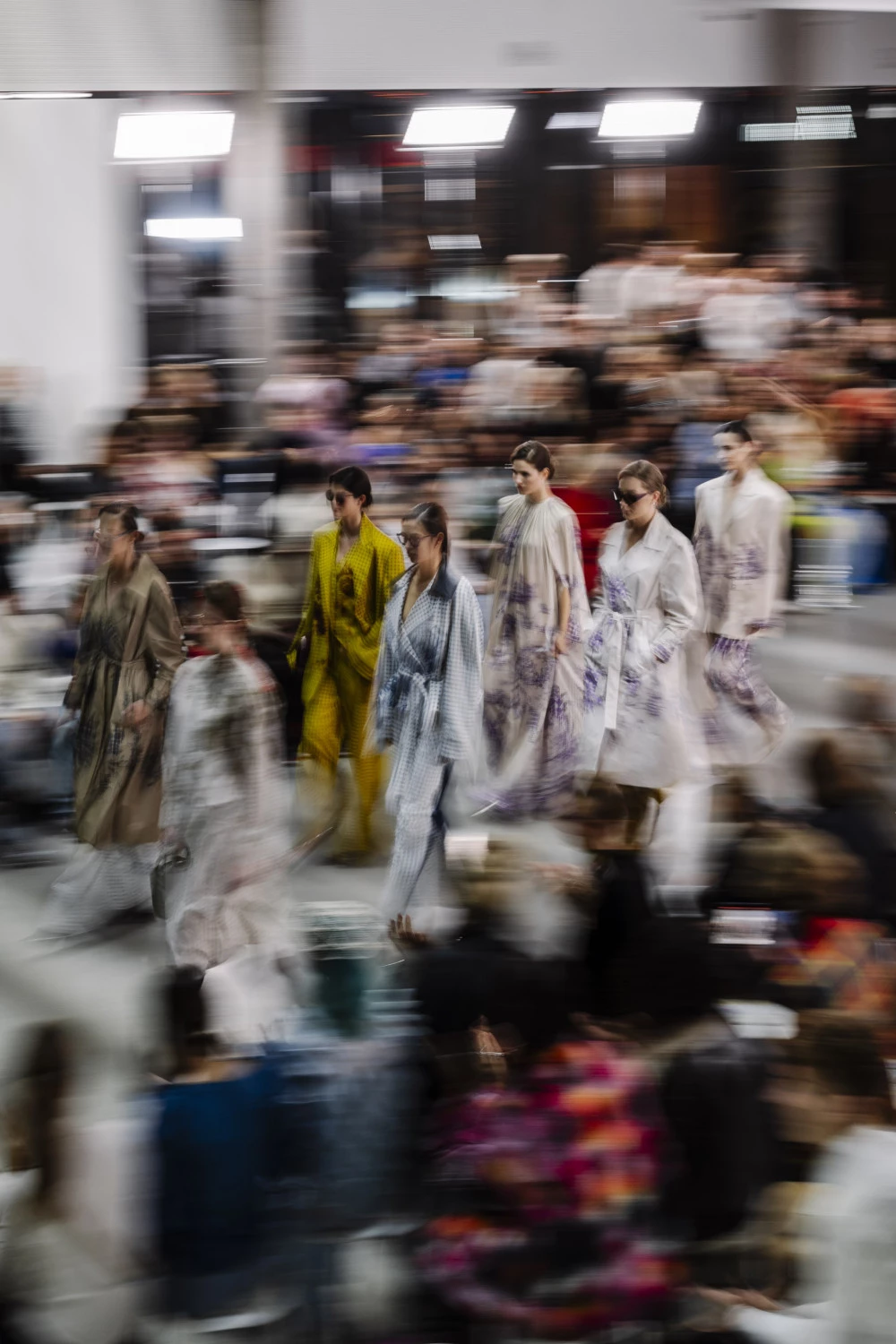
The renovated spaces of the Slovak National Gallery transformed in October into the most anticipated fashion event – Mercedes–Benz Fashion Live! – and ZITA was there once again.
6. November 2024, Author: Barbara Garaj, Photo: Adam Tarana, Petr Vagner, Barbara Koll
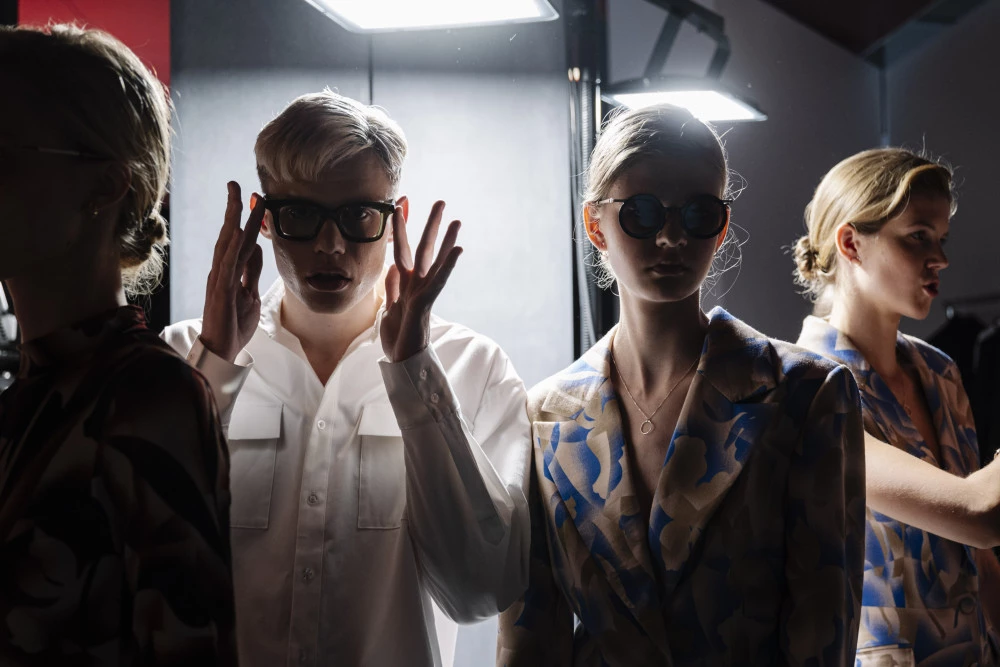
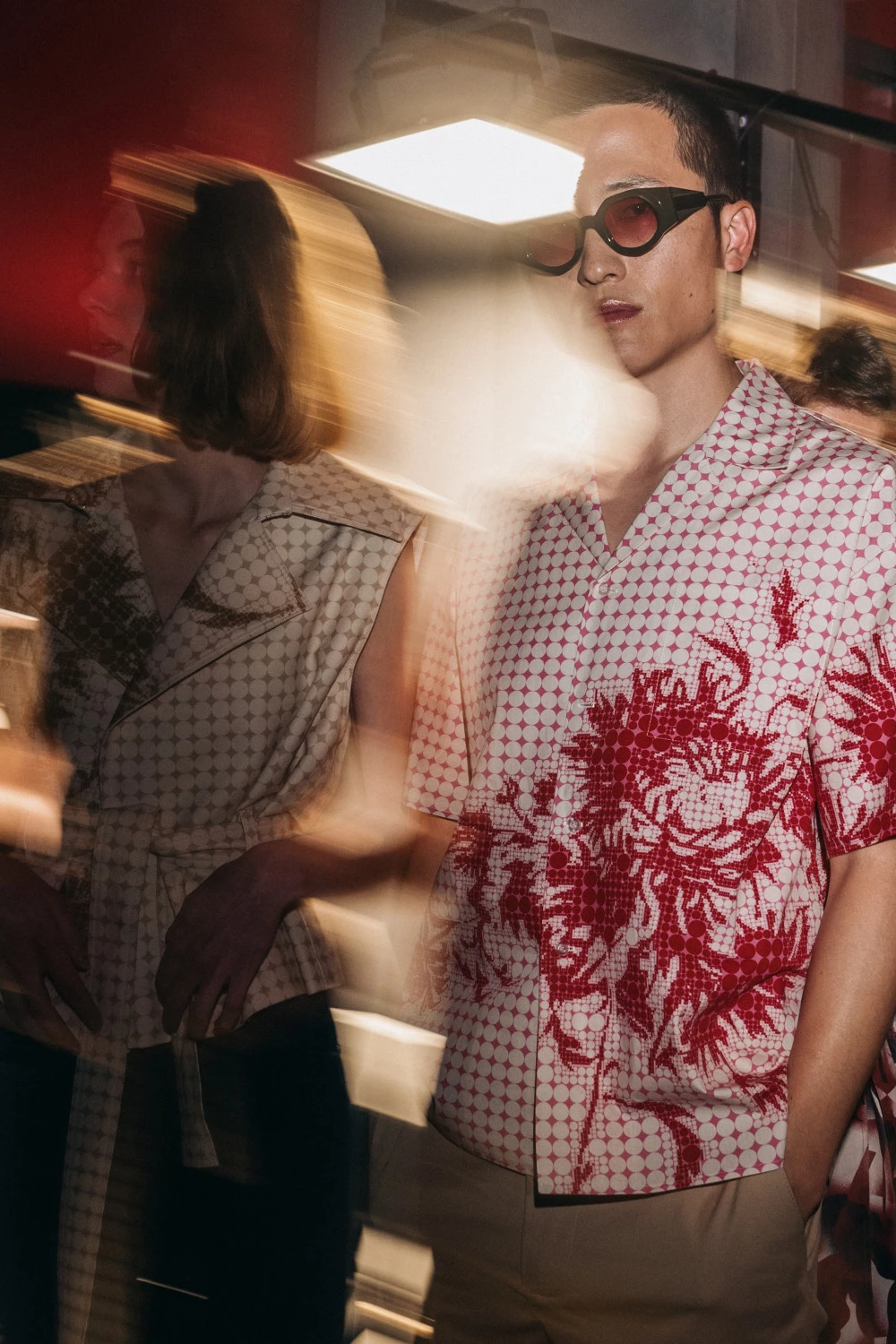
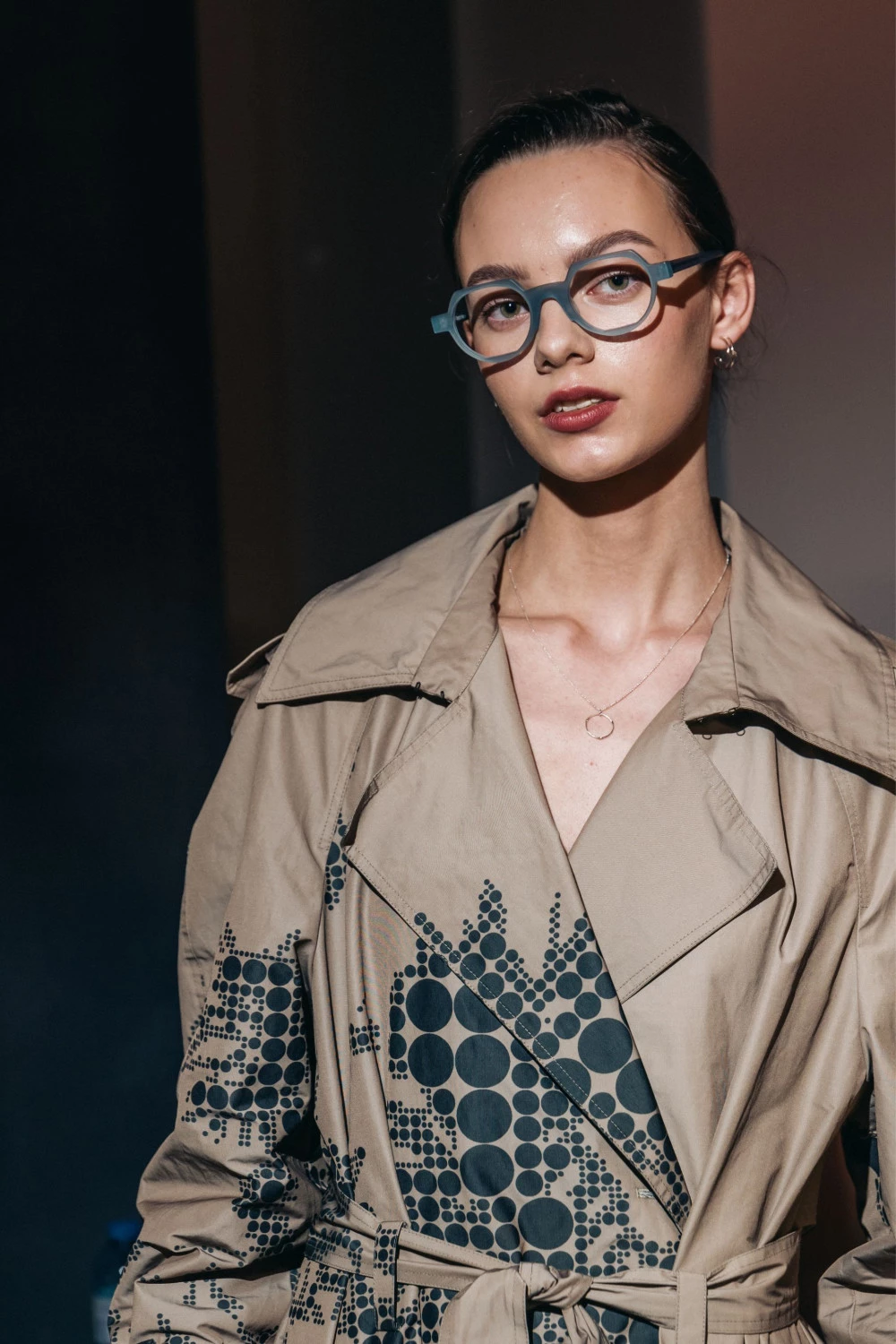
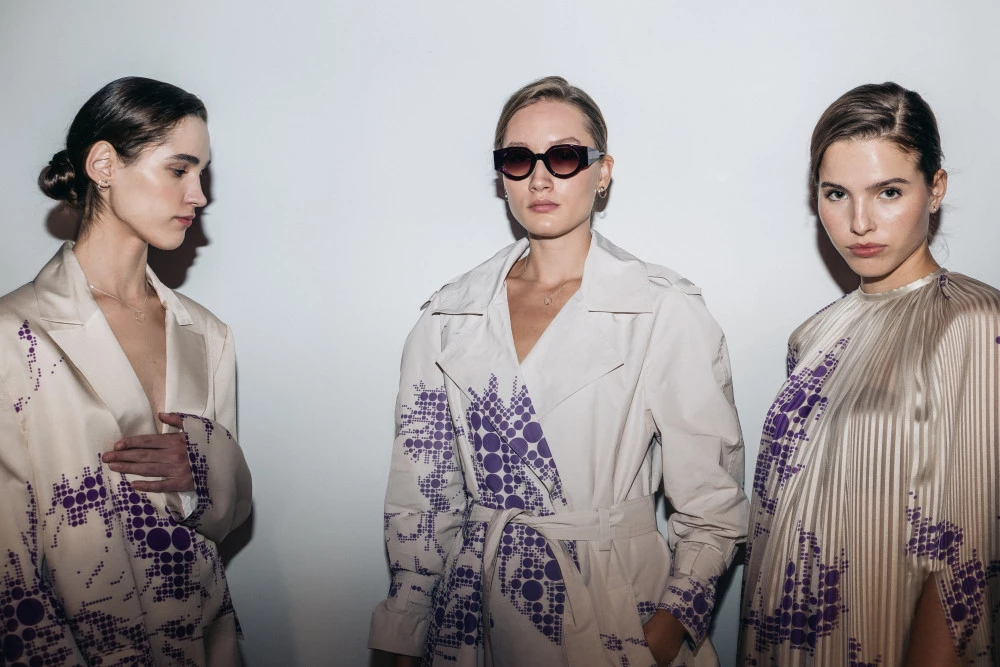
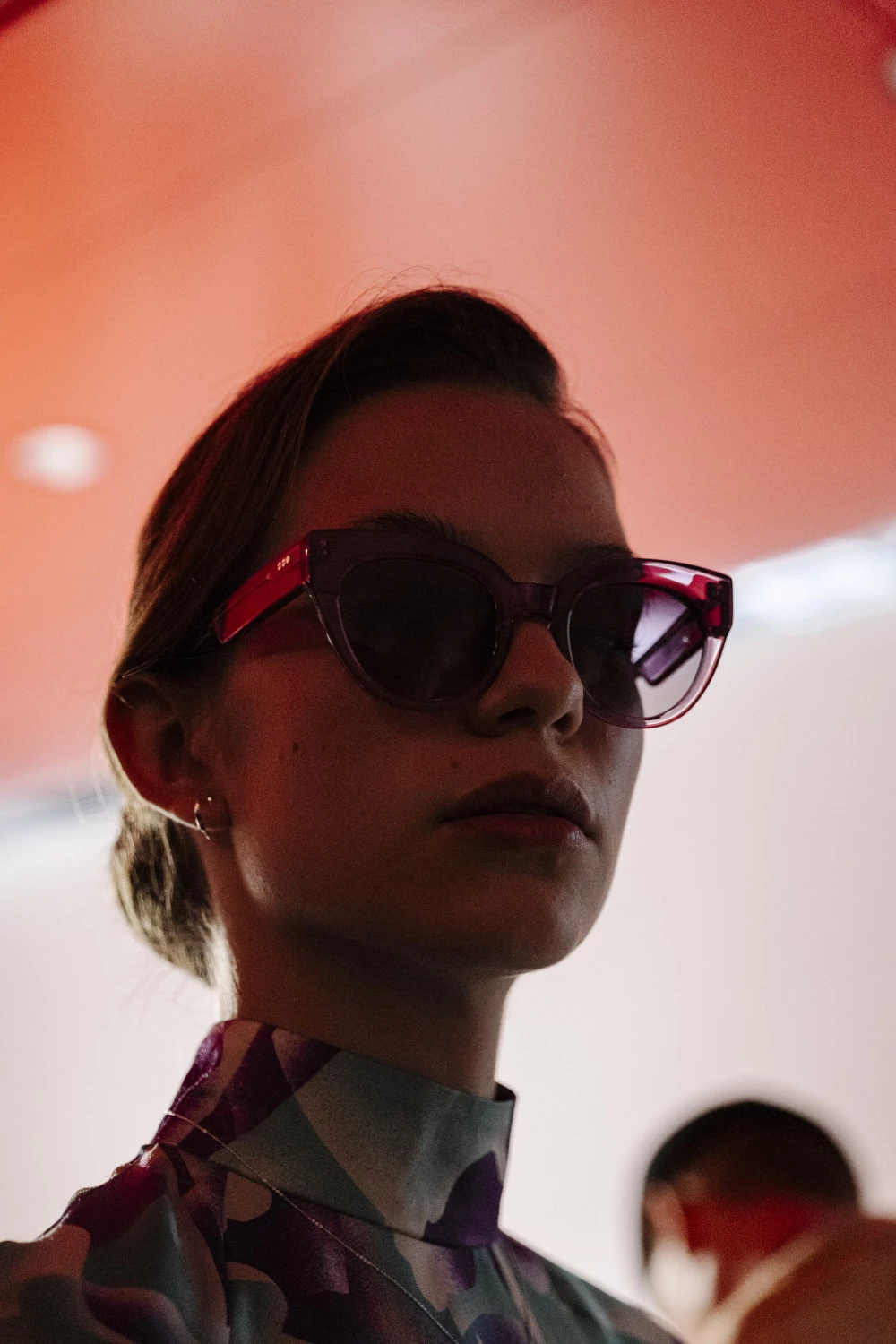
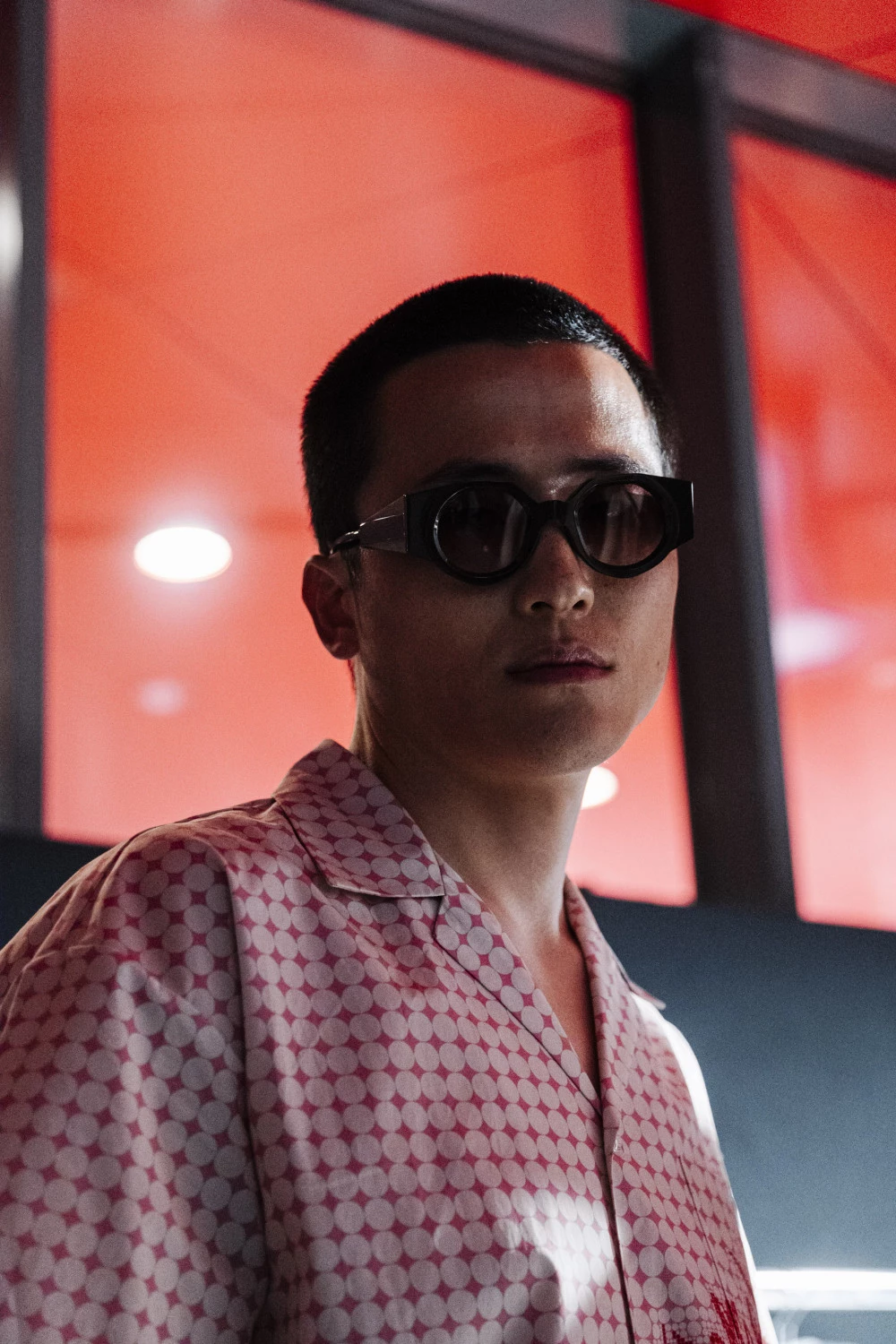
Working with fashion designer and our customer Maria Stvrtecka, we were part of the fashion days where Slovak talents and the most creative ideas take center stage. We sent prescription frames from American brand Gamine down the runway, though colorful outfits were also perfectly complemented by models from Monokol, Gaston, and Dabrach. For sunglasses, we chose Belgian Komono and New York-based Gamine.
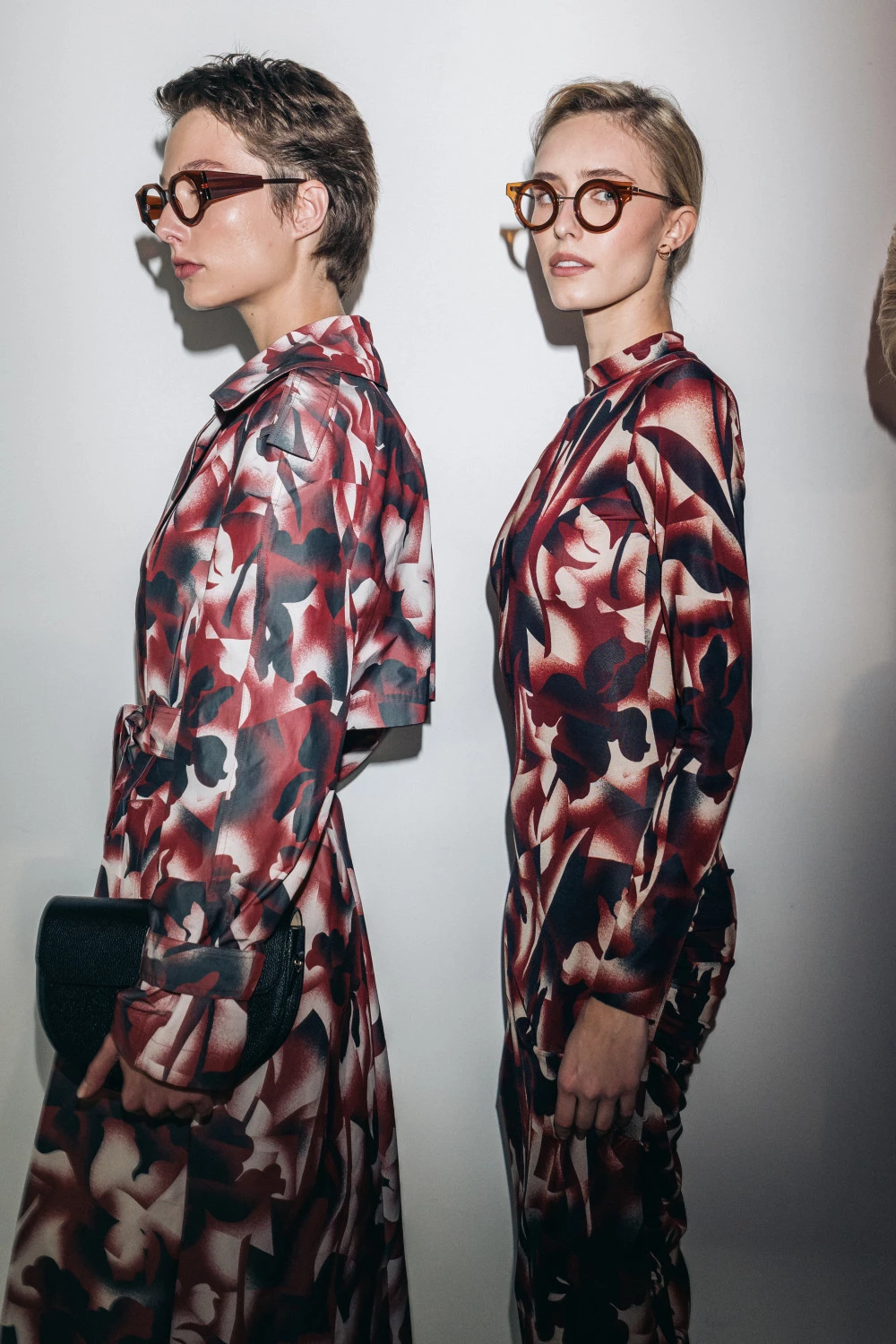
Maria's new collection FRAG_ILITY was created in collaboration with acclaimed textile designer Juraj Straka. Bold prints from his studio adorn garments that reference today's fragile society. We spoke with Maria about her new collection and what she enjoys most about working with textiles. Read the interview where you'll also discover how she perceives eyewear in the world of fashion.
At this year's Mercedes-Benz Fashion Live! you had the chance to present your new collection again. Tell us how it came about and what inspired you?
Every collection I work on has a similar creative process. At the very beginning, I tackle the theme the collection will address. Usually it's something I'm experiencing myself and noticing in society. I reflect on it for quite some time and gradually shape those thoughts into a concept. During this, a certain aesthetic plays out in my head, and based on that I reach out to other designers or artists to collaborate.
I decided to create this year's FRAG_ILITY collection in collaboration with Slovak textile designer Juraj Straka. Juraj is a talented, internationally recognized designer who won me over not just with his quality work but also as a person – through his humanity and humility. His approach to creating fabric prints resonates deeply with me. I love bold patterns and working with them – there are so many ways you can approach it.
"In the FRAG_ILITY project, I examine the character of our current era. I study people's behavior, the divergence of opinions, and the polarization of society. The system by which social networks operate isolates people in their information bubbles, where they're exposed only to one-sided views of events, which further strengthens polarization and isolation from different perspectives."
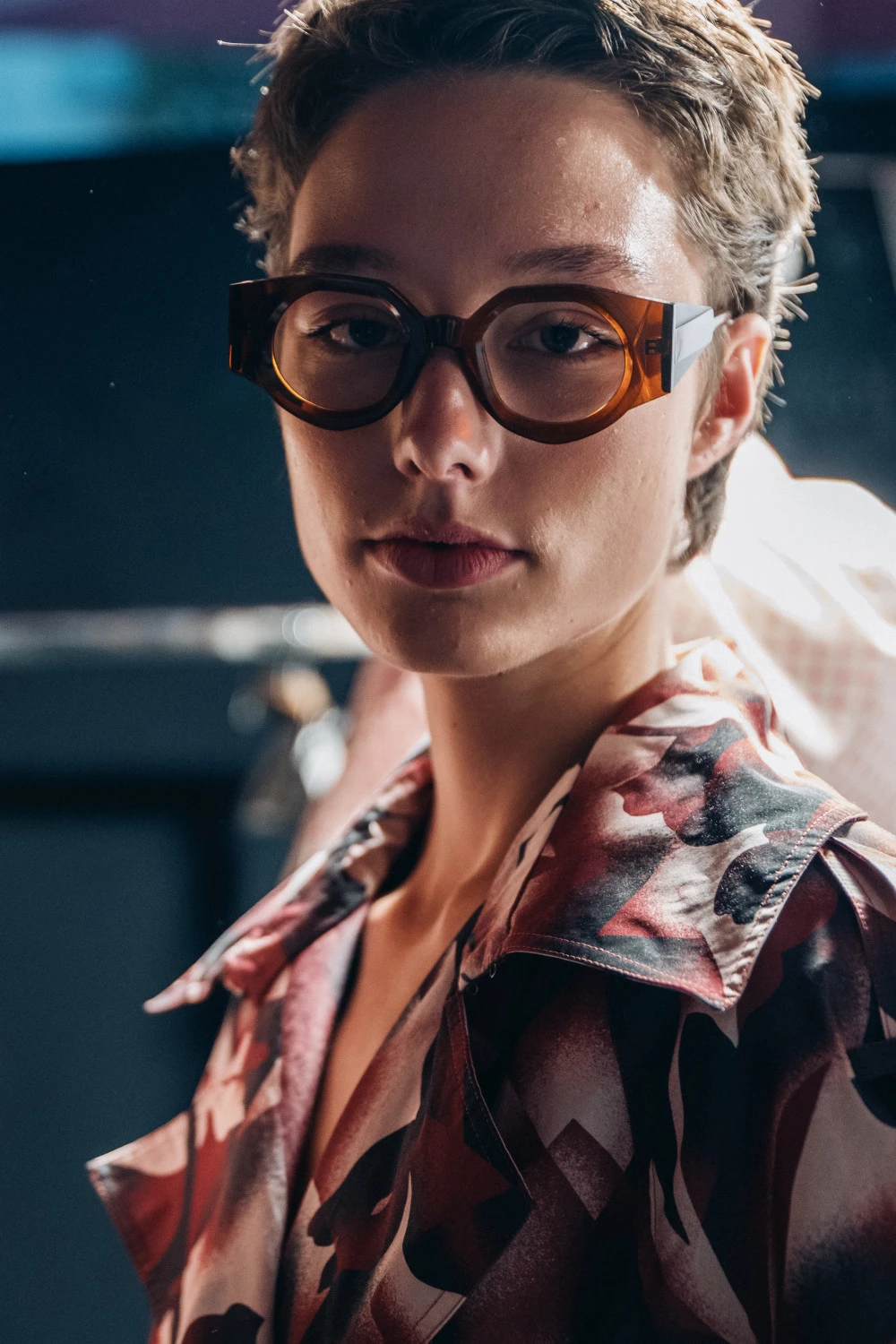
The vulnerability of society manifests, among other things, in disharmony and a decreasing willingness to communicate politely and with understanding. The fragility I find in society I understand as something brittle, easily broken, with little resistance to force – yet I also perceive it through its gentleness, sensitivity, and understanding. On one hand, I see people in their fragile glass bubbles that can easily shatter upon interaction; on the other, I sense fragility in connection with thoughtfulness and understanding, which are crucial for communication and building stable foundations of society.
I had discussions with Juraj about the theme I was working on, and based on that we selected prints from his portfolio, which he then further adjusted and refined according to requirements. Next came selecting materials (based on quality and aesthetics) from which we had printed samples made. It's always very difficult for me to narrow down the selection of patterns, since there are never enough for my taste. Once the final fabrics were in production, work began on the garment designs and prototypes. The prints also served as inspiration for me and guided the direction the collection took.
Working with the material itself requires skill and a great deal of imagination. What determines the direction when creating a new collection?
I always try to work with respect for the given patterns and materials, subordinating myself to their needs. I try to sense where I can afford to experiment with cuts, and where conversely it's necessary to prioritize the pattern and let it shine and fully express itself within a proven garment form. During the creation process, I also think about the end customers – their preferences, needs, and expectations – so I can create products that appeal to them not only visually but also functionally and emotionally.
Beyond the garments themselves, styling and the overall completion of the collection through accessories, makeup, hair styling, and of course the execution of the stage, lighting, and music are very important. All these aspects influence how the collection ultimately looks and how it resonates with the audience.
Did you always want to be a fashion designer?
No, I think it happened more as a result of several random factors. Though it's true that when they asked us in fifth grade at elementary school what we wanted to be, I wrote that I wanted to become a fashion designer. We had to write it on a piece of paper that they put away until ninth grade, then we read it to see if our attitudes had changed. But I think it was written more just casually, without any inner longing, and by coincidence it actually happened.
What do you enjoy most about working with textiles?
From age six I attended art classes where we went through various artistic techniques. Usually we worked on pieces and paintings that you hang on the wall. For me, textile is a medium where I can transfer my creative work into 3D objects that can be worn as garments. It's a wearable form of art – design – for me. At the same time, the given works (expressions, images, patterns) look different when printed using various techniques on different materials or when woven or knitted.
I'm delighted when I can work with different fabric qualities and something unique always comes out of it. Also, when you work with draping, for example, and take a more sculptural approach, it's a different way of thinking – you certainly get inspiration differently for canvas versus for a garment. For me personally, this was a shift that I enjoy. At the same time, I have a close relationship with fashion illustration and drawing. So even though I really love working with textiles, this type of artistic expression is still a strong part of me.
This year you invited ZITA to collaborate again. What do eyeglasses mean to you?
I've worn glasses since childhood – they're part of my life. I alternate between them and contact lenses. When I was a child, of course, I wasn't fond of them, since at that time it wasn't popular to wear this type of accessory. But over time, as I matured, I stopped caring and now I perceive them as an interesting aesthetic element. Eyeglasses evoke for me a certain type of sophistication and taste. The right choice of eyewear can underscore the wearer's personality and beautifully complement my garments, creating together a cohesive look that captures the unique style and individuality of each person.
We really appreciate that you're among our customers. Why did you choose eyewear from ZITA?
It's very simple – it's a combination of several factors: quality design, pleasant staff, and the overall identity of ZITA opticians. From the story of the shop, the approach to marketing, to the amazing interior of the store.
Very positively. Eyeglasses have long since ceased to be perceived only as a medical aid – many people wear them purely as a fashion accessory. There's a wide range of design-interesting eyewear on the market that beautifully completes the outfits of their wearers, and as I mentioned above, helps express their individuality. Of course, there are also other factors connected with technology, like integrating smart functions with the ability to connect to smartphones and so on, which naturally also touches the fashion industry.
As a fashion designer, do you feel pressure to follow fashion trends in your work?
I don't feel pressure, but I think we all perceive trends more on a subconscious level. To some extent you need to have an overview of what's happening in the fashion world, where naturally you also see certain trends. You don't have to consciously follow them, but I think they influence you in some way anyway. If not directly through specific trends, then at least through a certain aesthetic mood.
What are your plans for the future?
At school I focused mainly on the artistic side and experimental approaches, while putting great emphasis on a well-developed concept. Now, though, I need to direct my attention to building the brand from a business perspective. This includes not only developing my style and marketing strategies but also dedicating myself to the practical aspects of running a business, which are crucial for the stability and growth of the brand.