Robo in Maryll frames
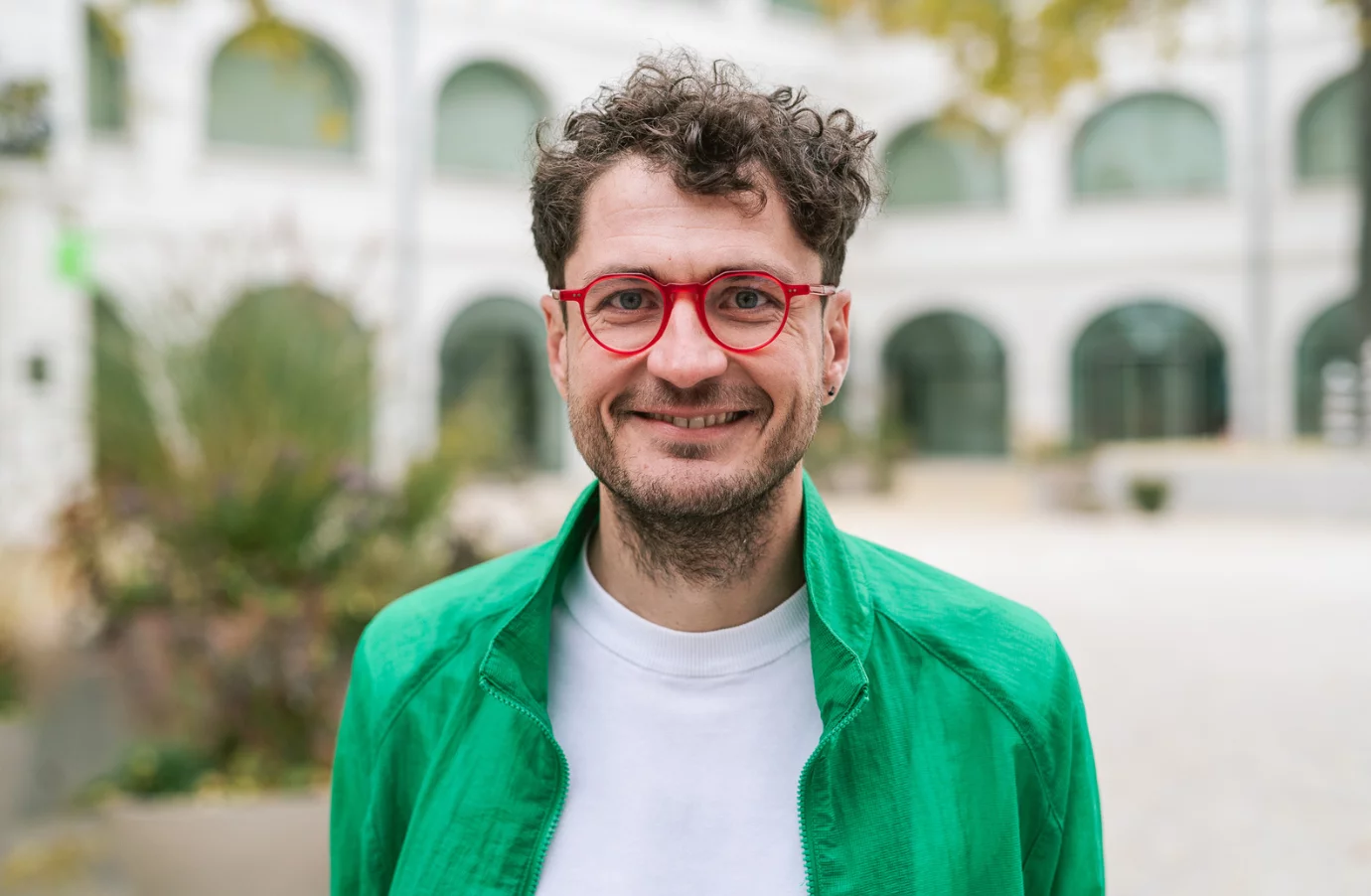
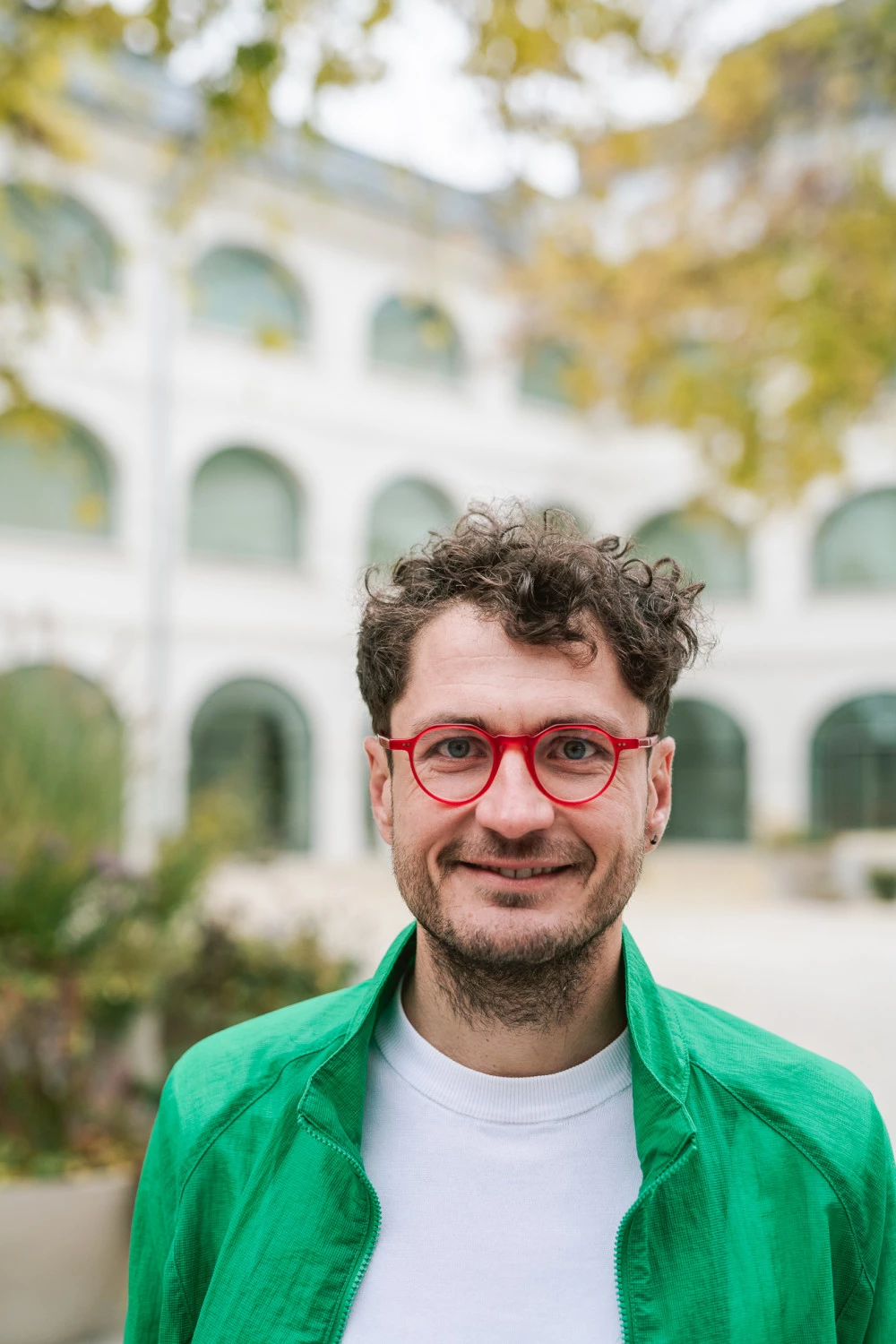
Robo is a documentary photographer who sees the world through a lens. He captures slices of reality the way we don't normally see them.
17. April 2025, Author: Barbara Garaj, Photo: Jakub Čaprnka, Archive: Róbert Tappert
Robo always had a connection to both theatre and photography. From a practical standpoint, he decided to study theatre directing at the Academy of Performing Arts so he could shoot photos alongside his studies.
Theatre fascinated him, but gradually he realized there were too many elements he couldn't keep under control. With photography, though, he saw that he could have the entire process in his own hands. And so came the dilemma – continue with directing, or dive fully into photography?
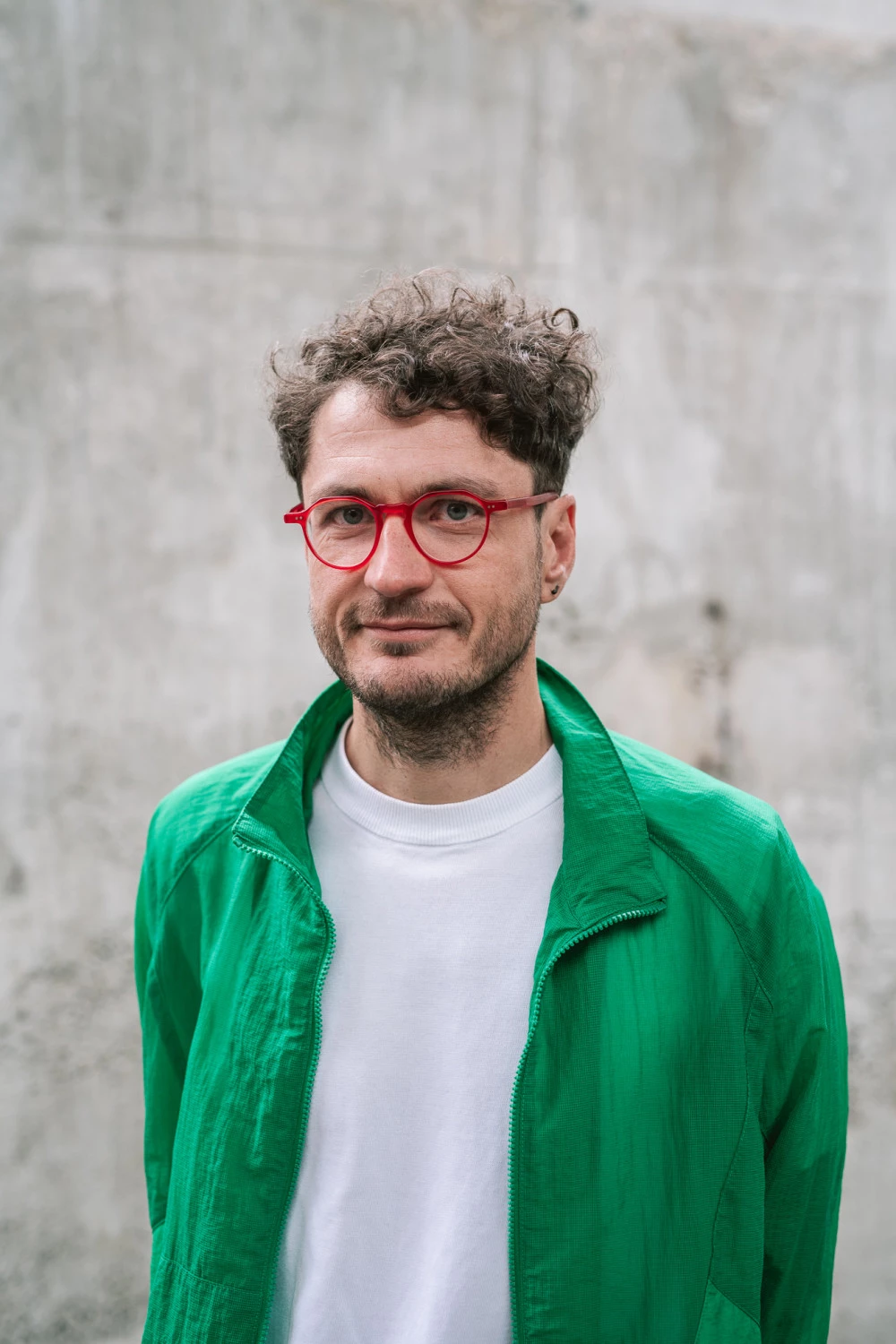
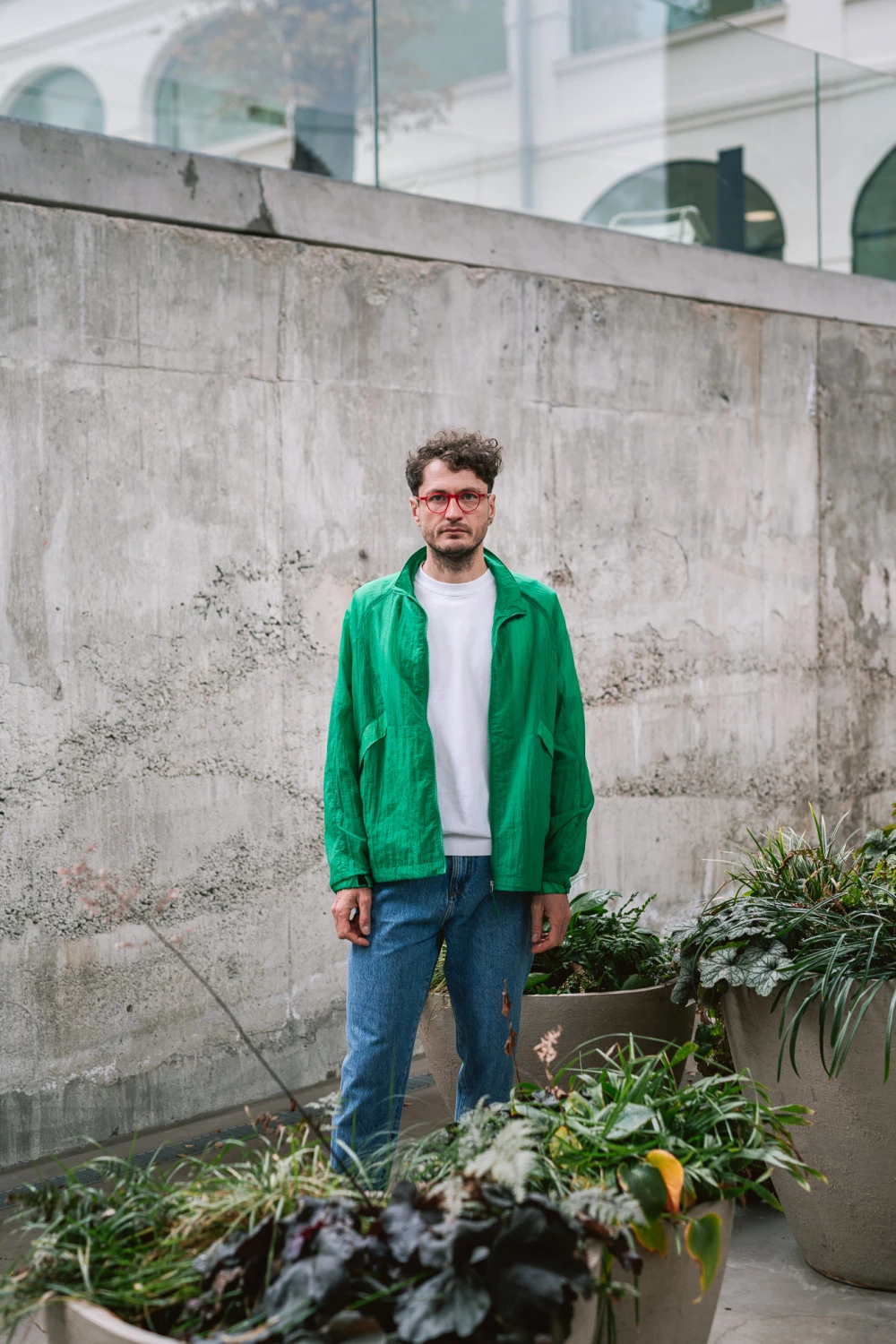
"In theatre I work within a relatively long rehearsal process. Then suddenly the show ends, because it's ephemeral, which always made me sad. I live through a period and then I have to say goodbye to it, but a photograph – that stays."
After his bachelor's, he moved to Prague for his master's, but he left school before submitting his thesis and set off chasing his photography dream. He's never regretted the decision. His love for theatre remained, evidenced by his long-term project at the Slovak National Theatre, where he captures what goes on behind the scenes of productions.
Behind the curtain, he tries to unmask theatre and bend reality. He shoots actors in costumes or sets in places the average audience member never reaches. What emerges is a document showing that what appears real is actually just staged "fakeness."
"In a certain sense I look at photography in a traditional way. For me, a photograph is the only medium that's irreplaceable in that it can stop time."
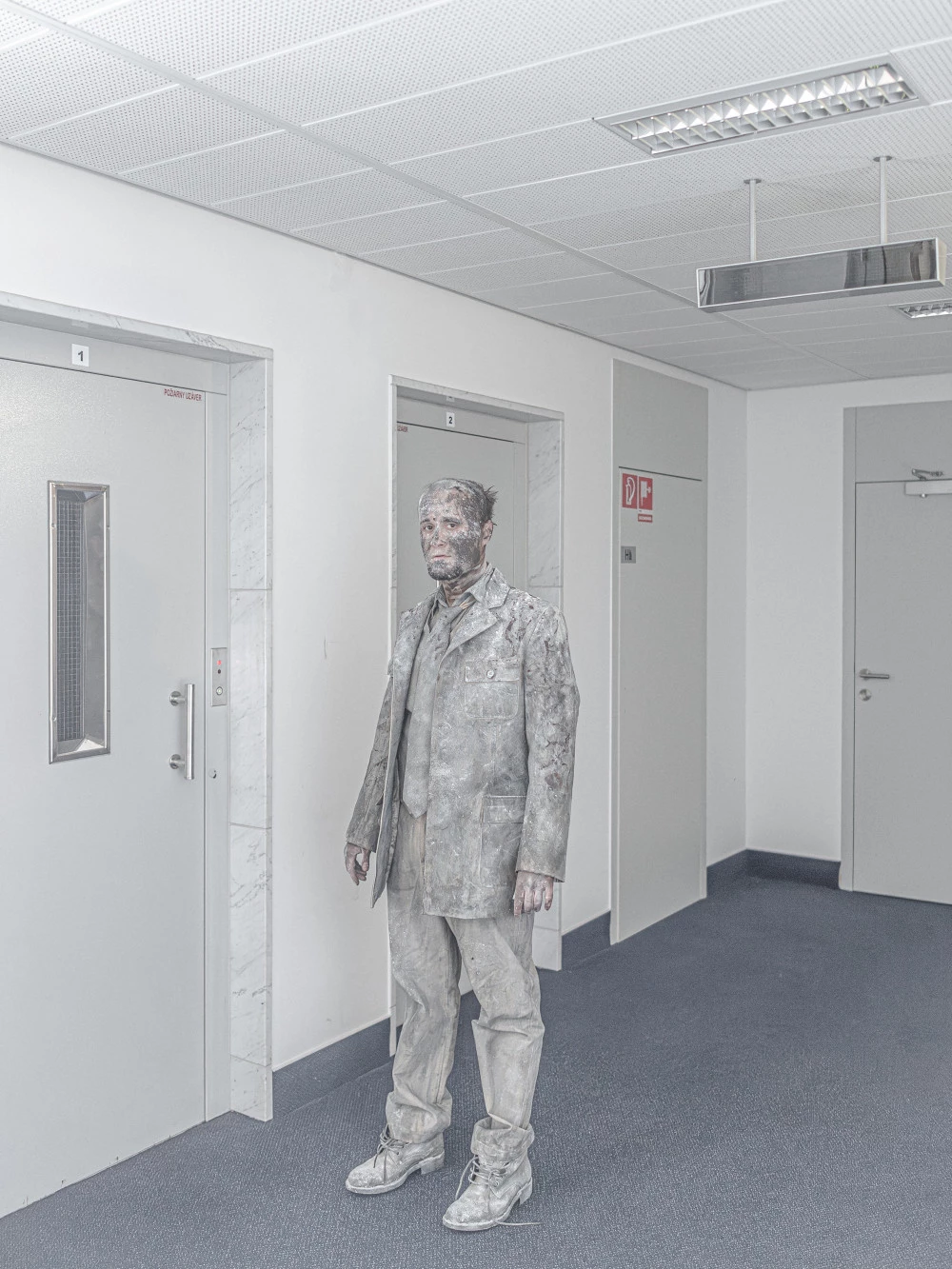
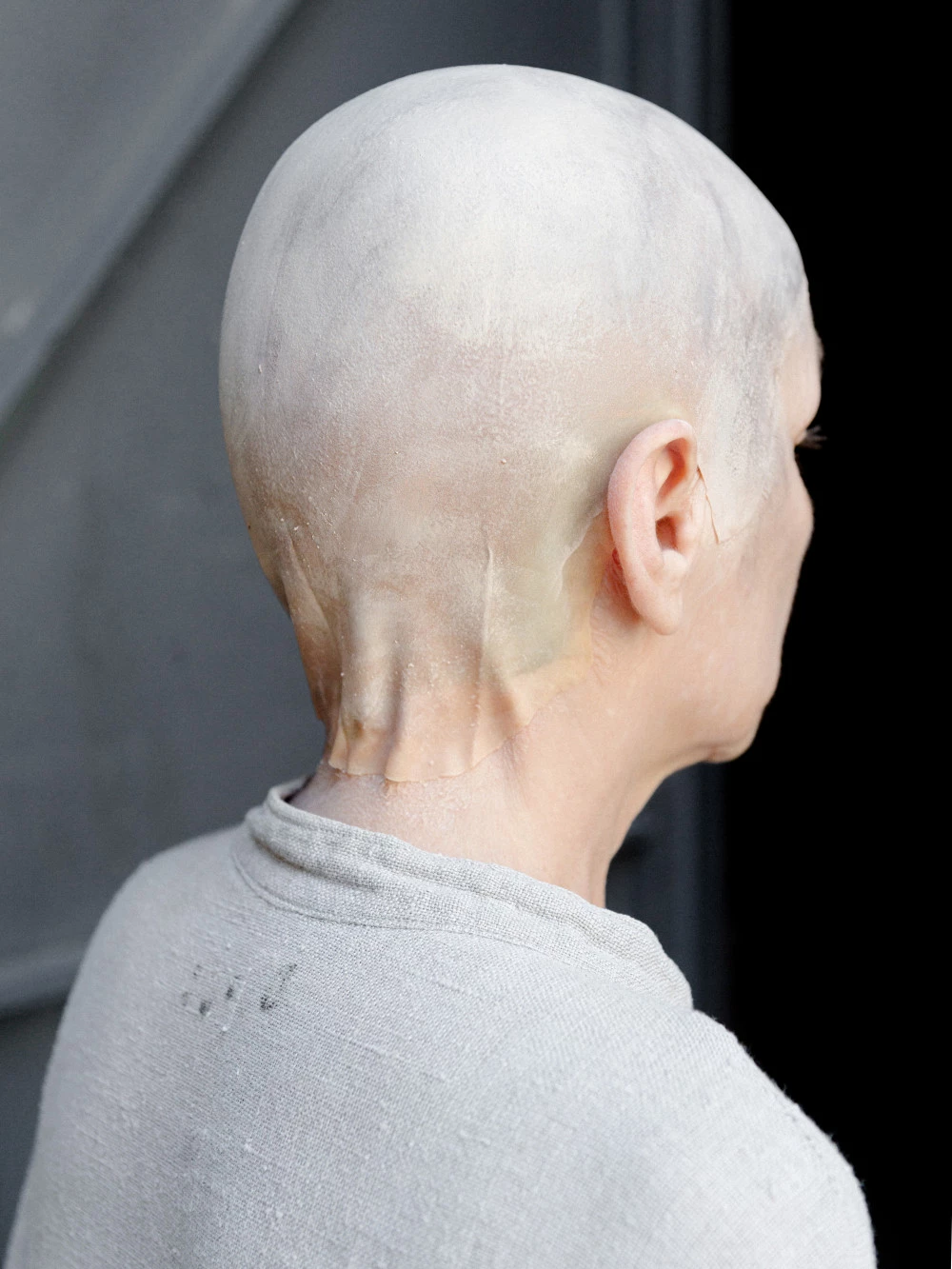
Alongside theatre, he pursues documentary photography, which he organizes into series. He's been present during several migration crises, particularly the one in Ukraine, which fundamentally shaped his approach to reportage work.
It was there he found a new visual language and different approaches to showing reality from a previously unseen perspective. He conveyed the migration theme through photos of passports and the landscape people traveled through.
Robo never set out to photograph big emotions. When he finds himself in war zones, he shifts into rational mode. The most powerful moments arrive when you least expect them.
The Borders project, which he's been working on since 2012, opened his eyes in many ways. At one point a man fleeing the country appeared before his lens. At Robo's call, the man stopped, and in that moment absolute trust was born – something that resonated in him long after the man disappeared from view.
"I'm most drawn to documentary work, because that stopping of time and the subjective slice of reality is absolutely key for me. I take it as a whole package of things that lets me somehow reflect the era. I've always been closer to subjective forms. I try to photograph, for example, socio-political themes and look at major historical events."
He doesn't remember much about his first camera, which he got as a gift. What resonates far more strongly is the memory of his first enlarger, which he bought with money earned at a summer job. Technique was never important to him, so even today he doesn't have a strong relationship with gear.
In the field he carries lenses in his pockets without worry, viewing his camera simply as a tool that lets him convey what he sees.
Though Robo is a documentarian, he doesn't take his camera everywhere. He doesn't believe in any decisive moment. He approaches photography more thoughtfully and conceptually. He often returns to places where he goes purposefully or to continue work on ongoing series.
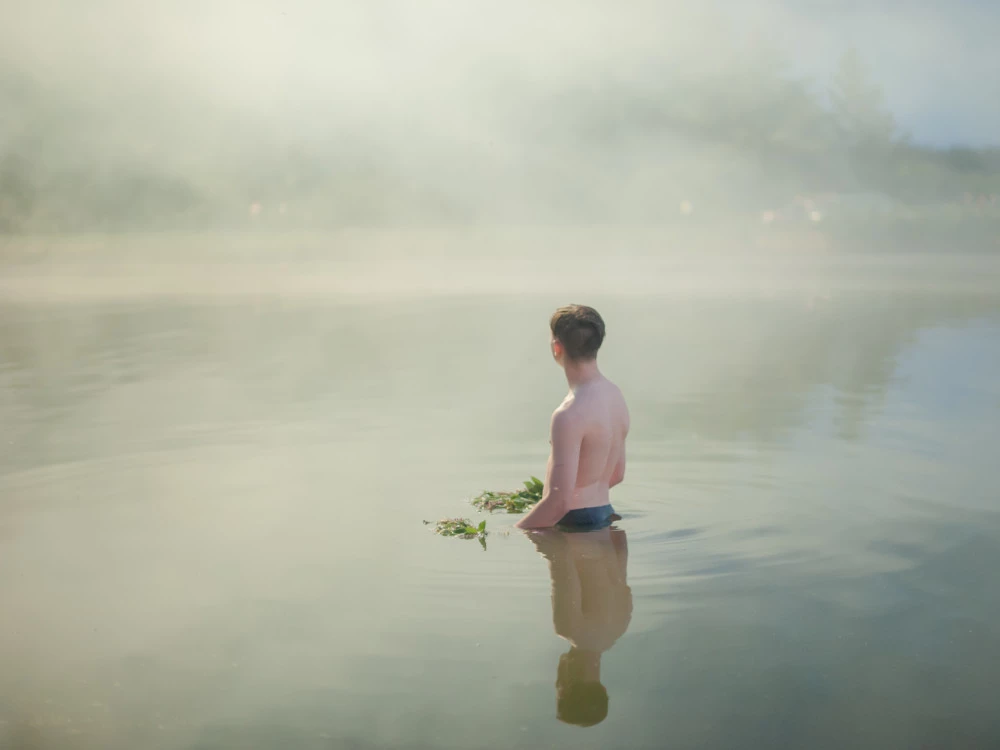
He went to shoot in the border region of Podlasie, which lies between Poland and Belarus. The place enchanted him with its mysterious, at times dreamlike atmosphere.
The project emerged in collaboration with writer Alena Sabuchová, who wrote the book Septuchy, and it's Robo's photographs of the landscape where the stories come from that became part of the published book.
He's won several awards for his work – for example the PX3 Paris Photo Prize, Slovak Press Photo, and Czech Press Photo. Exhibitions are especially important to him, but what he values most is being able to make a living doing what fulfills him. When he's not shooting, he spends every summer traveling through Norway in an equipped camper van, taking in the world with his own eyes.
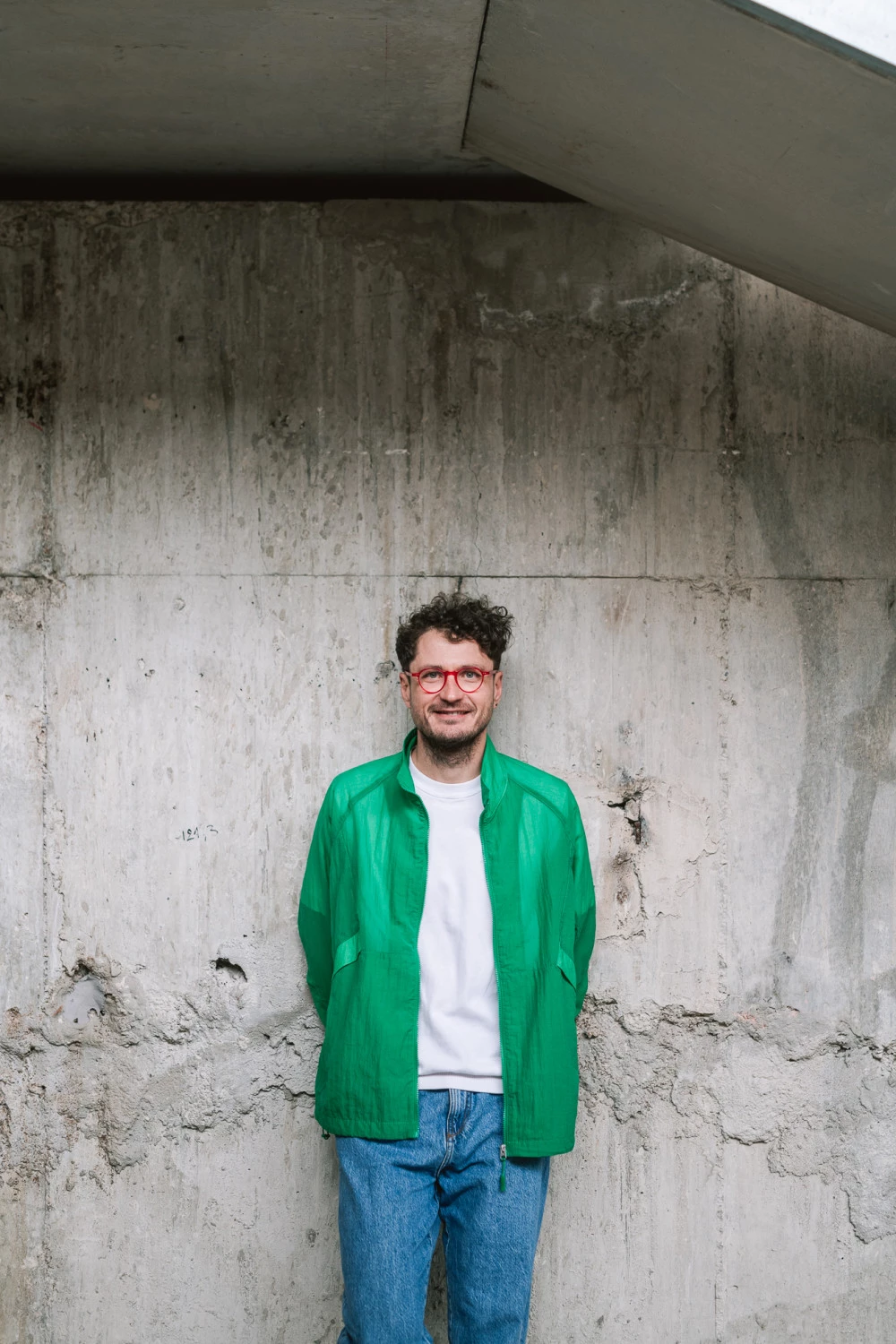
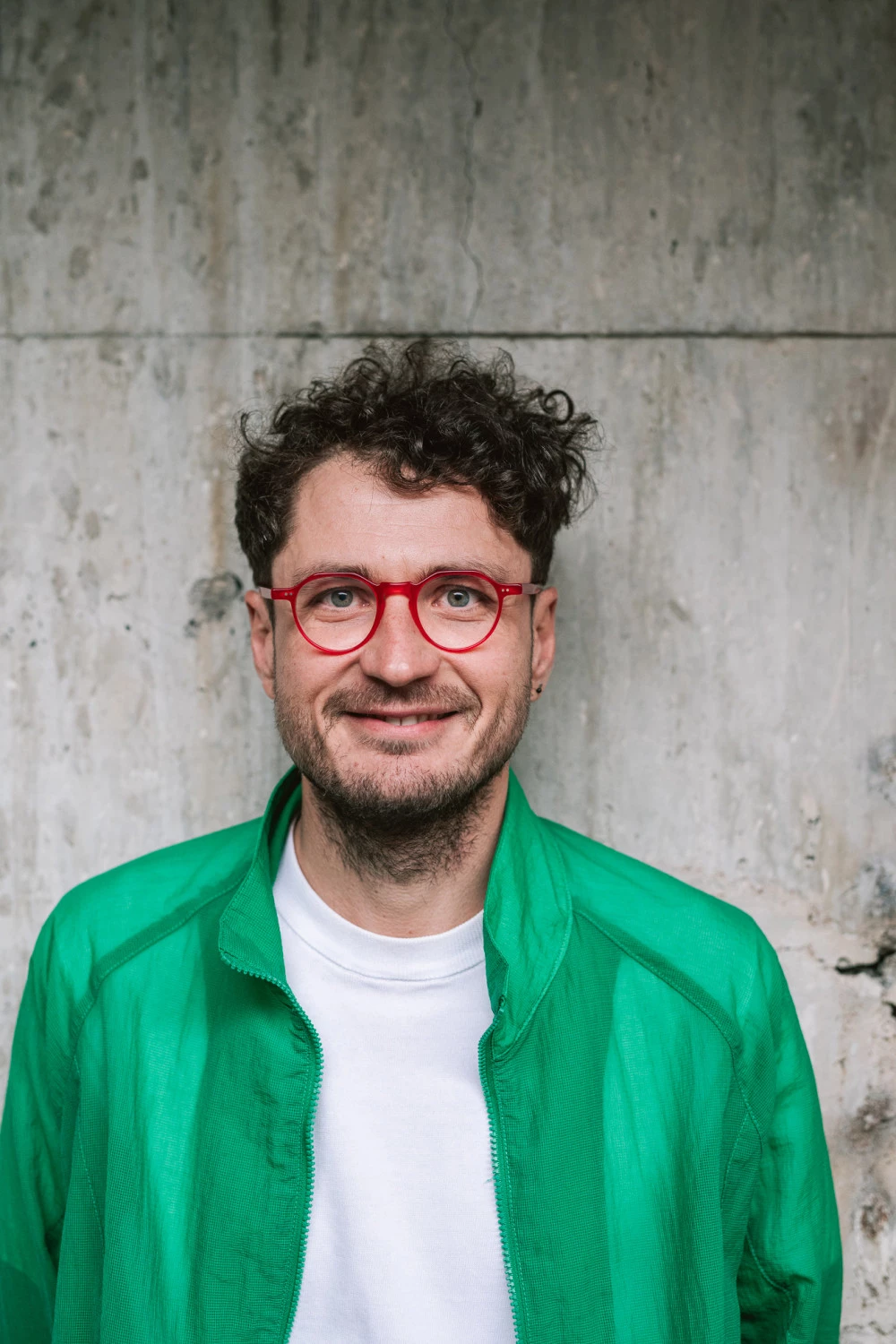
Robo came to ZITA by chance when he was walking past the optician's. The try-on happened more or less quickly and ended in maximum satisfaction.
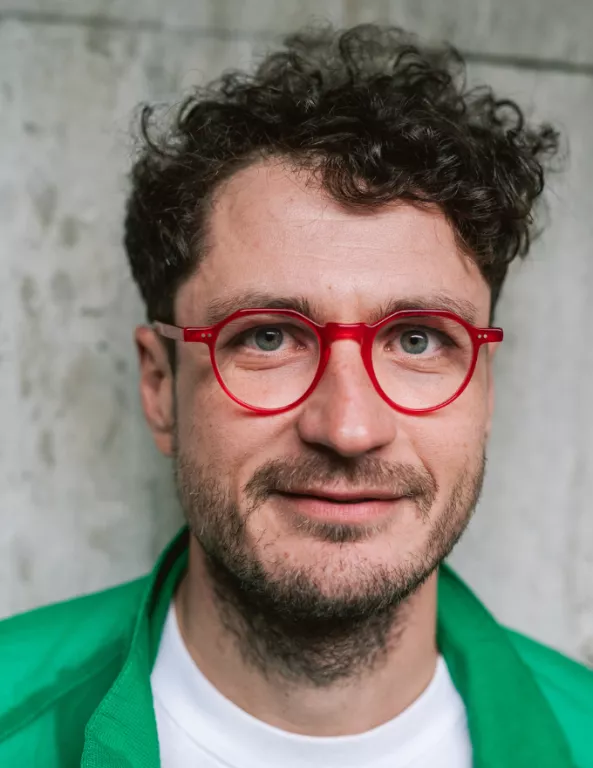
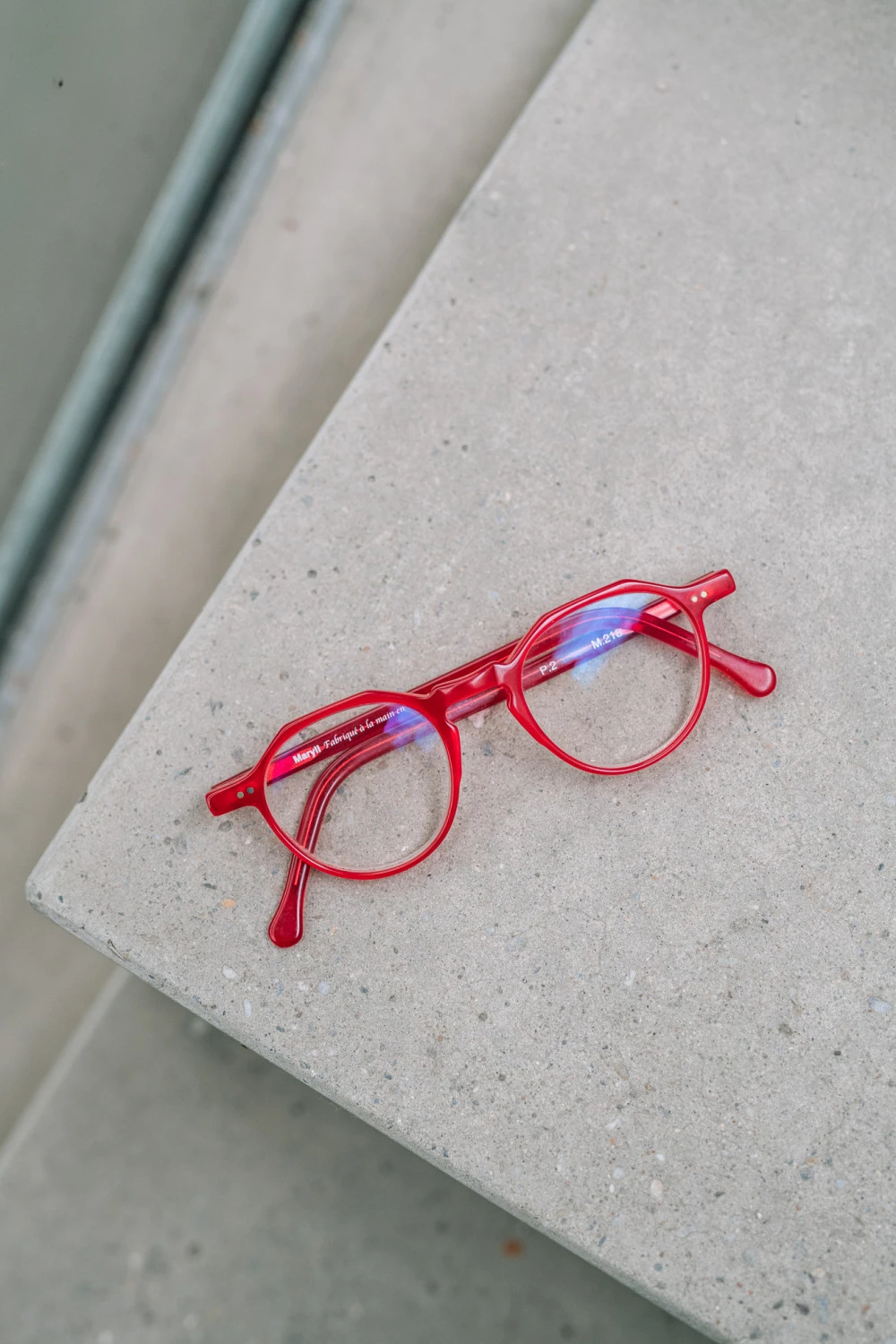
He currently owns several frames, but his favorite is the red Maryll, which goes with everything, even sports. The frames highlight his face without pushing his personality into the background.
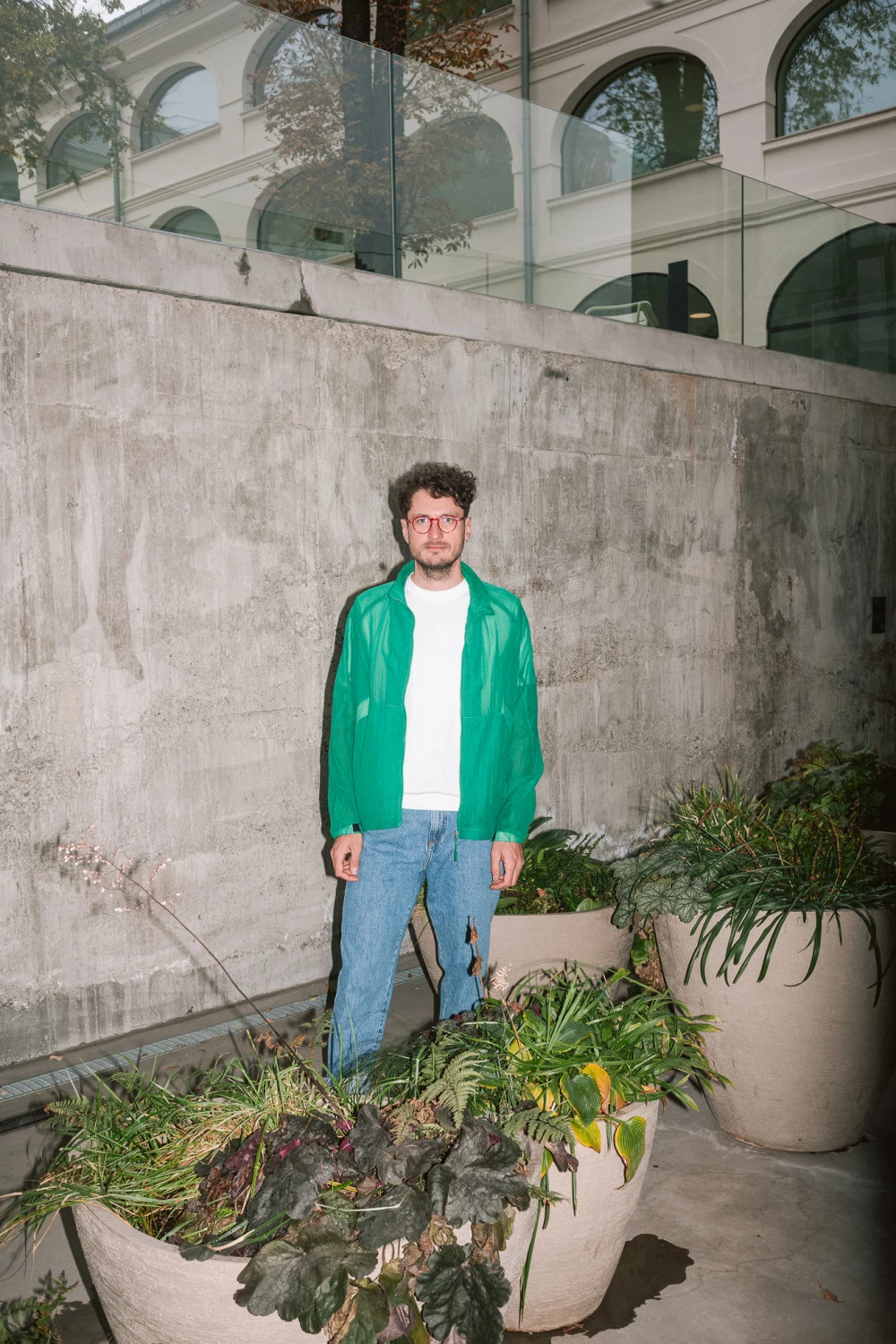
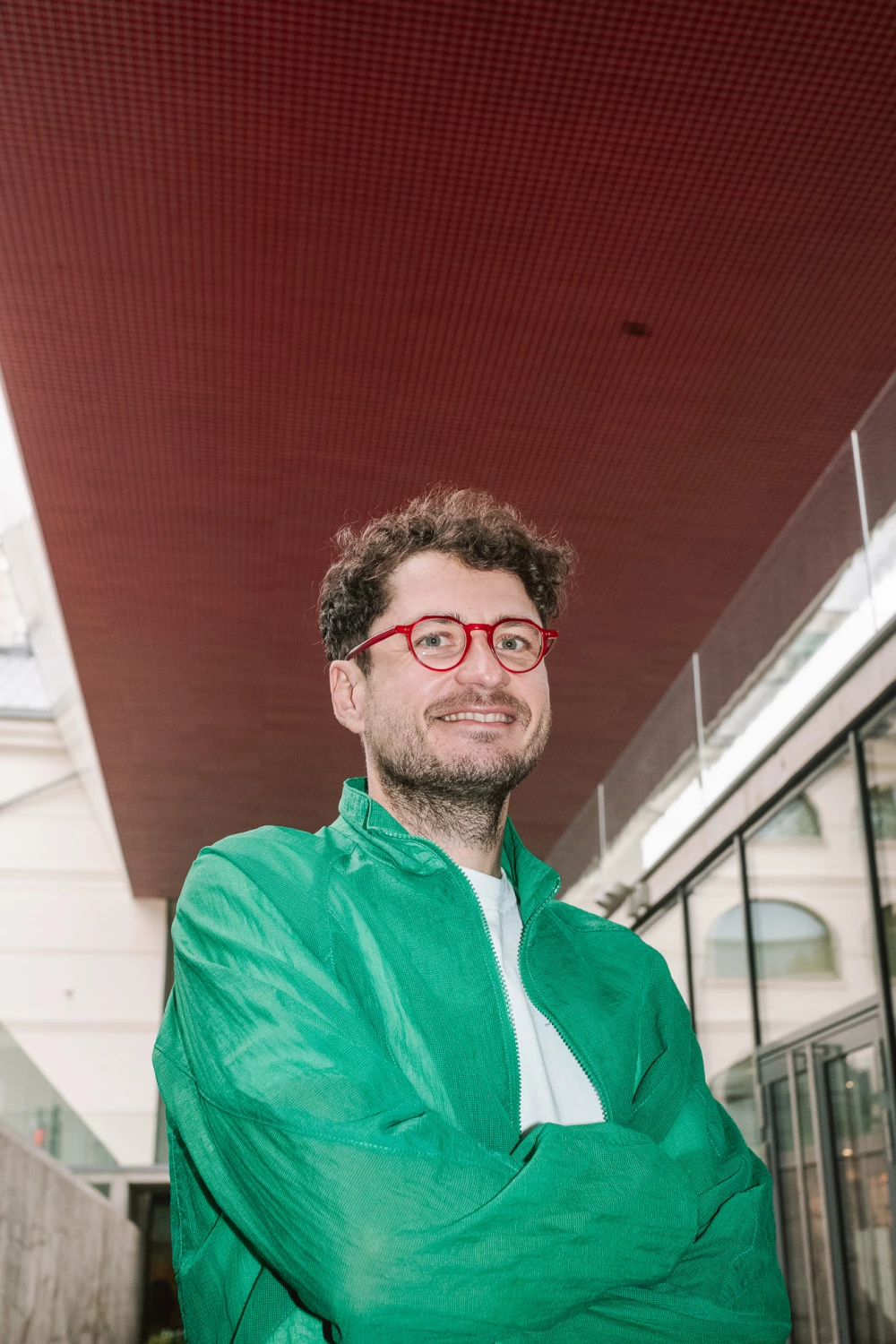
"If you photographed me in black and white, my glasses would look like the purest classic from the 1930s. Soldiers in old photos wear the same ones. Then suddenly when we turn on the lights, they're red, and that's what I like about them."