Blue light glasses: protecting your eyes in the digital age
4. June 2025, Author: Monika Floreková, Photo: Jakub Čaprnka, Nora Sapárová
Blue light is something of a companion in our daily lives. It's part of the visible light spectrum, where we also find other colours like red, orange, yellow, green, indigo, and violet. When these colours combine, they create white light.
The most natural source of white light is sunlight, but in recent years more and more attention has turned to its artificial sources. These include the displays of digital devices – computers, monitors, smartphones, tablets – as well as LED lighting. And when we spend several hours a day in front of screens, our eyes simply start to remember it.
Blue light and its effects
Blue light has a short wavelength, around 380–500 nm, and higher energy. Blue light is further divided into:
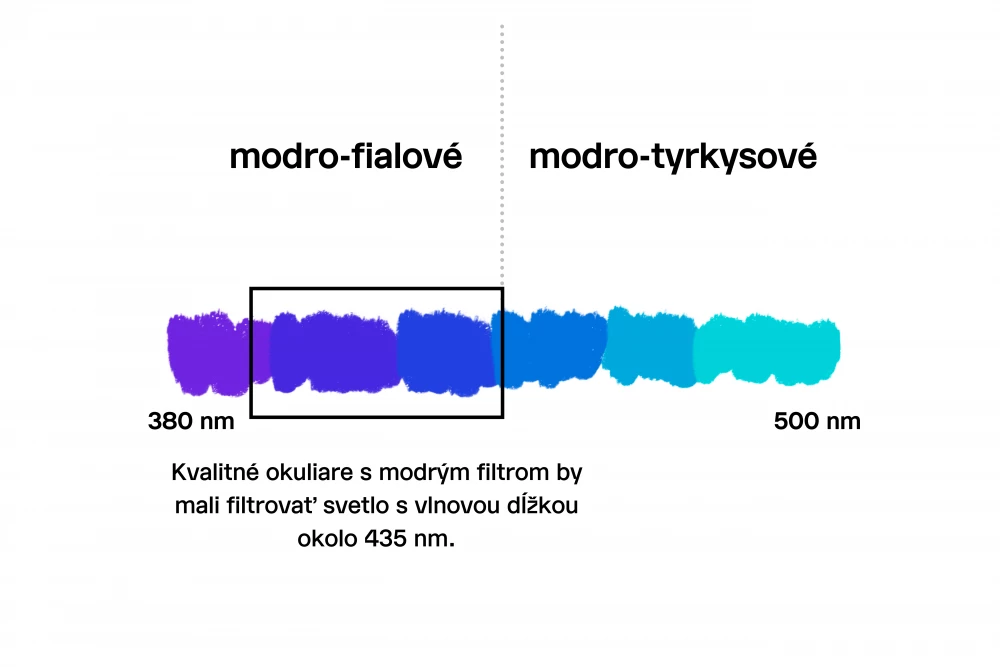
- blue-violet with a wavelength of 380 to 450 nm,
- blue-turquoise with a wavelength of 450 to 500 nm.
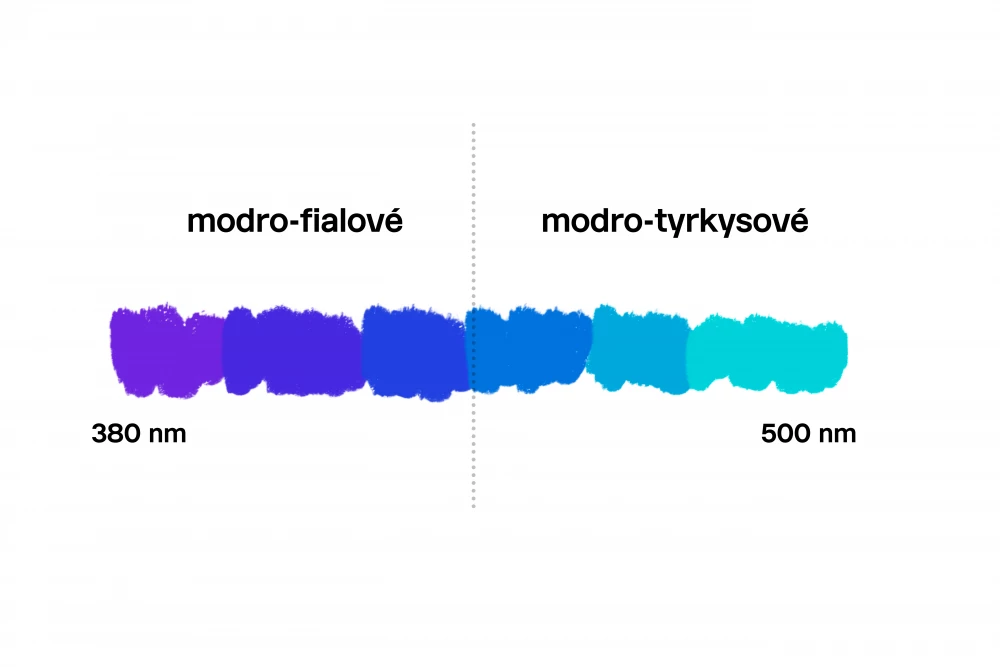
Exposing our retina to shorter wavelengths of light forms the basis of what's called blue light hazard and contributes to phototoxicity, or light sensitivity.
Blue-violet light can affect the retina of the eye to a certain extent. This thin layer of cells covers the inner back part of the eye, captures light and converts it into nerve signals that are then sent to the brain. Thanks to this, we're able to perceive images and see our surroundings.
High concentration and long-term exposure of blue-violet radiation to our eyes may contribute to the development of macular degeneration. It usually begins to appear after the age of 55. Even so, we recommend protecting your eyesight from blue-violet light earlier. It's important, though, that blue light glasses filter primarily the risky wavelength around 435 nm.
Blue light can have various effects, and most commonly we may experience:
- Eye fatigue or digital eye strain – According to a Mayo Clinic study, up to 69% of computer or laptop users experience eye problems. If we use screens at work and at home long-term, our eyes can become tired, dry or irritated over time.
- Sleep problems – Excessive exposure to blue-turquoise light before sleep can affect our circadian rhythm, essentially throwing off our internal clock. This type of light suppresses the production of melatonin, especially in the evening hours, which we need for sleep regulation.
How to protect yourself from blue light?
Blue light glasses
Among the popular aids are blue light glasses. They contain a filter that reflects or absorbs the desired portion of light. We recommend them for anyone who spends more than 2 to 3 hours a day in front of a screen.
The filter is applied to both prescription and non-prescription lenses and they have a subtle yellow tint with a blue reflection. However, lens manufacturers are gradually adjusting the technology so that this tinting is as minimally visible as possible.
Already, lenses with only minimal tinting are available on the market. When choosing, you also need to consider your profession, especially if you work with colours, to avoid colour distortions.
Digital hygiene
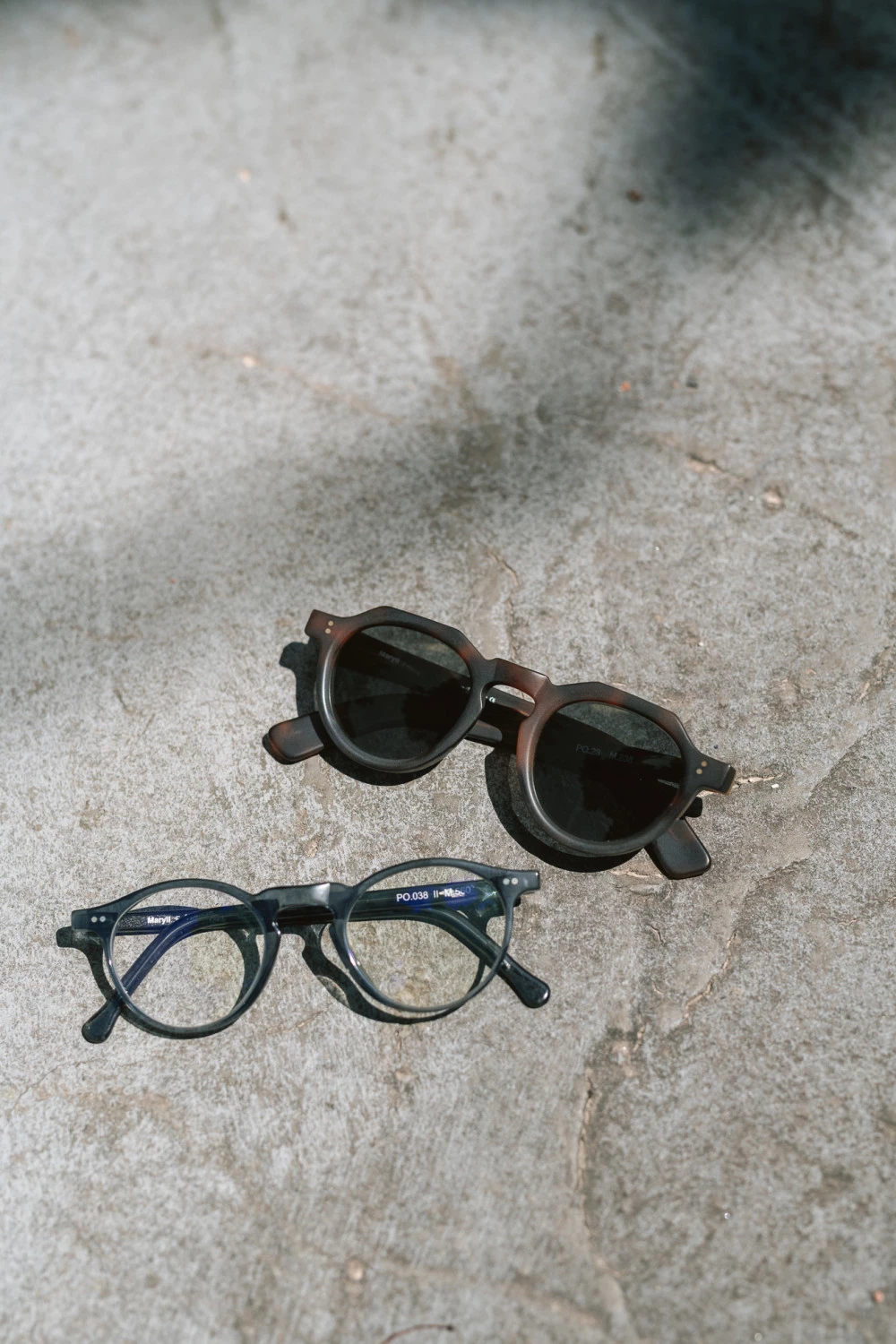

Although blue light glasses are the most common aid, we shouldn't forget about digital hygiene either. The 20-20-20 rule is very effective – every 20 minutes, look for 20 seconds at an object 20 feet away, which is approximately 6 metres. Reducing screen brightness helps too, and definitely switch your phone and laptop to night mode before sleep.
Small changes as first steps
Tired eyes that look at a screen most of the day will appreciate plenty of natural light and a display at the right height and distance from the eyes, which is approximately 50 to 70 centimetres. Don't forget regular eye examinations either, because fatigue can also be caused by uncorrected refractive errors or outdated correction.
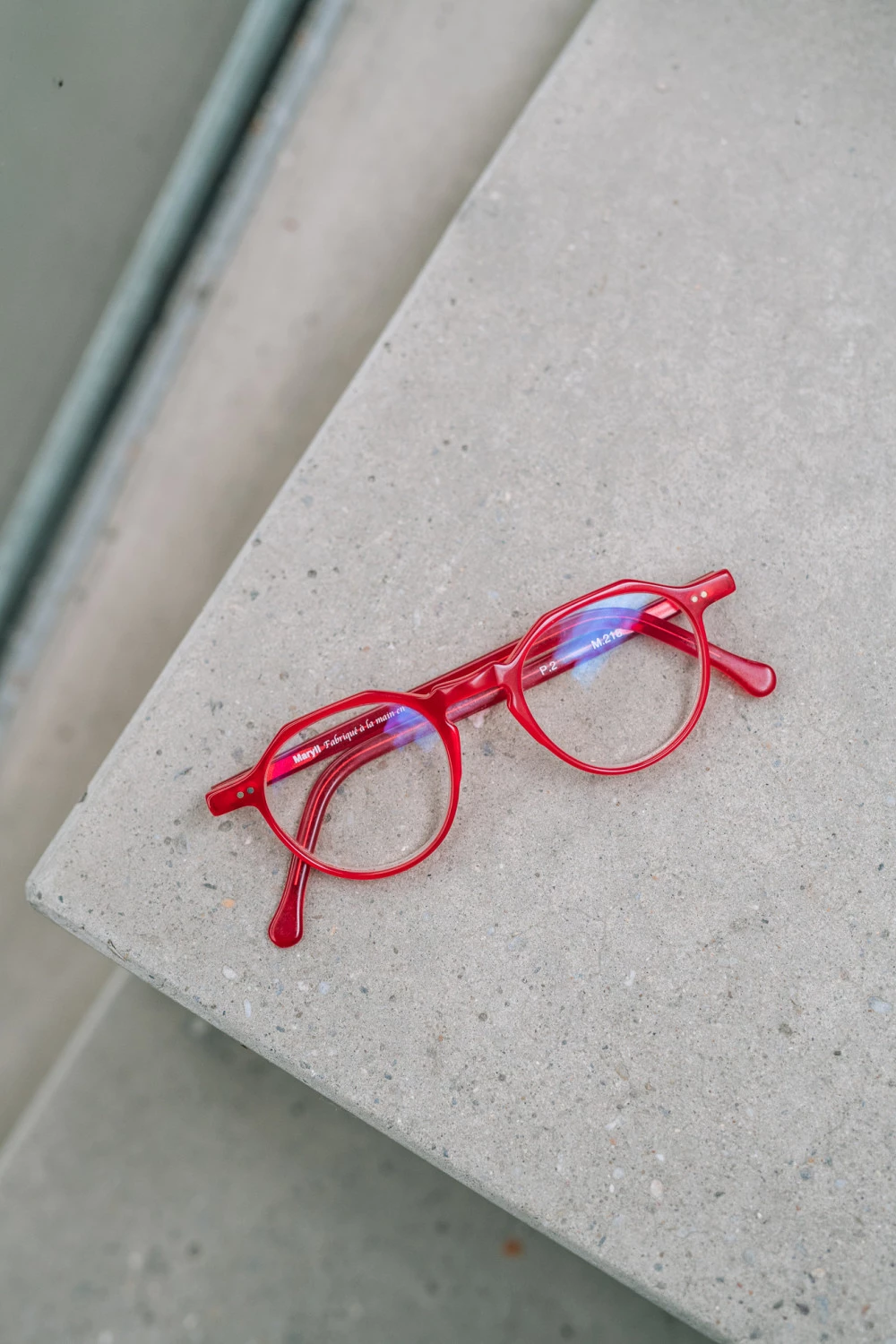
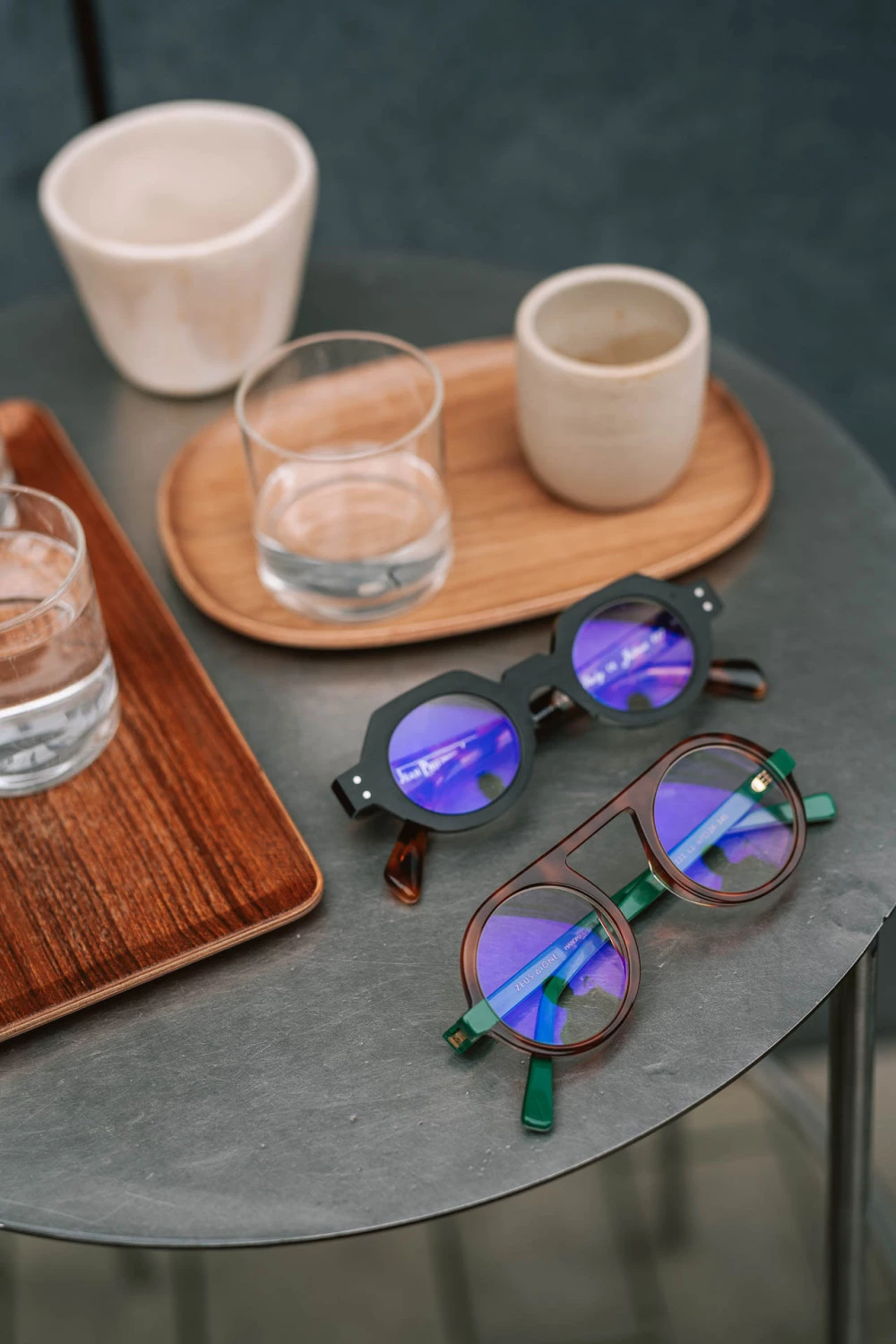
Keep in mind, though, that blue light glasses don't work instant miracles. They serve more as suitable prevention, since the degree of harmfulness of blue light is still being tested. But even thanks to them, you give your eyes a bit of rest and treat yourself to a nicer view of the world, even in the world of screens.