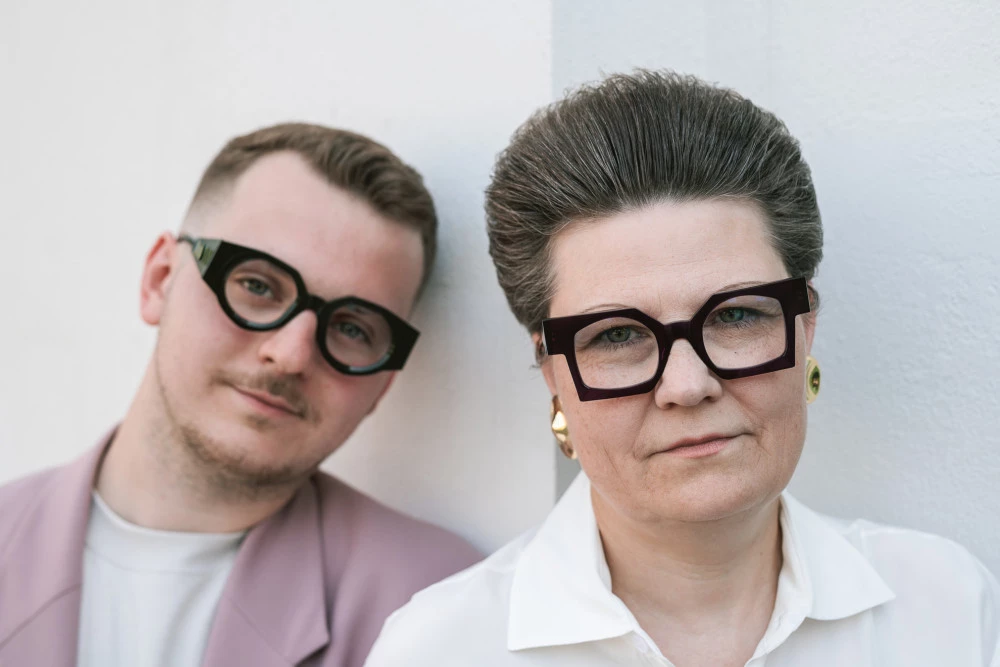
Juraj & Katarina in Gamine and Toffoli frames


One rare moment led Juraj to collecting wedding dresses – something that grew into a lifelong study.
1. October 2024, Author: Barbara Garaj, Photo: Jakub Čaprnka, Archive: Juraj Furo
Even as a small child, he noticed how old textiles were treated in households. Usually unwanted symbols of the former regime. Yet many of them reflected clothing design and creative work in Czechoslovakia.
"From a collection I started in 2004, I'm building an archive of authentic Czechoslovak women's bridal fashion. It holds not just wedding gowns, but wedding suits too – both trouser and skirt versions. The dress archive is complemented by a substantial collection of bridal accessories. One curiosity in the collection are women's prescription glasses that brides chose to match their wedding dresses."
At the start of this journey, Juraj, as a small boy, simply asked people about their wedding dresses. Later he followed various bazaars and online listings. As more people learned about his passion through conversations, packages started arriving. Today his collection archives 330 dresses. Juraj's first exhibition and virtual gallery only confirmed for the public that collecting Czechoslovak brides' dresses has real value and purpose.
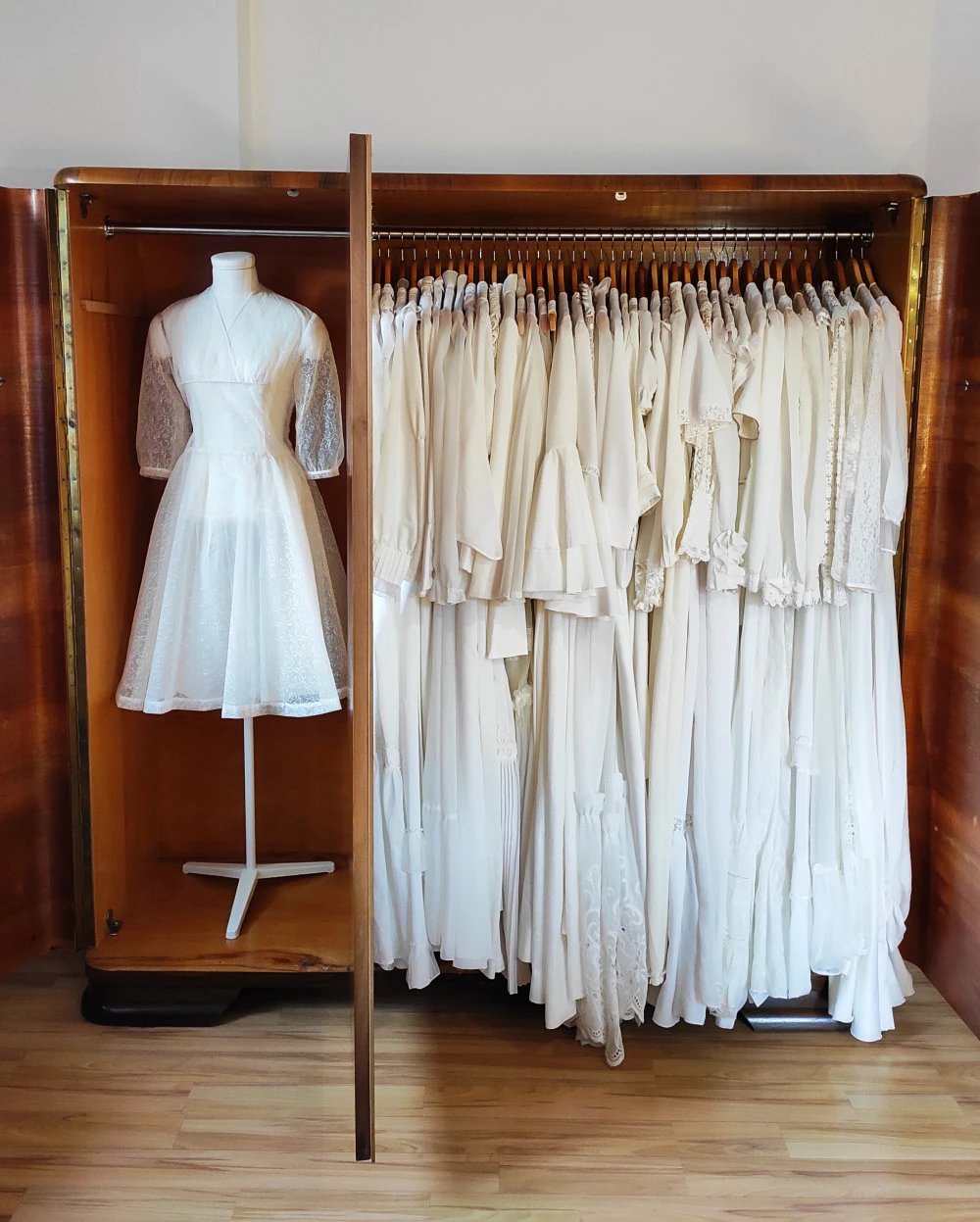
"The collection is valuable as a whole, because it reflects the reality of bridal fashion – what was actually designed, sewn, and worn in a given decade. Czechoslovak fashion magazines featured inspirational photos of bridal fashion that was, in some cases, bold and daring – which is why seamstresses didn't commonly make it. Clothing designs were created by designers from the UBOK institution (Institute of Home and Clothing Culture), which in Czechoslovakia represented, in its own way, a certain directorate of fashion and taste."
The love of clothing came from his mother Katarina, who currently works in healthcare. Originally though, she graduated from a fashion trade school and later worked at Makyta Puchov. Today she pursues the craft only as a hobby, helping her son with wedding dress repairs.
Christmas at the Furos
A positive relationship with art and design runs deep in the family Juraj shares with his mother Katarina. His grandfather studied design in Bratislava, later devoted himself to artistic work with wood. He came from a family of tailors and gingerbread makers – where we can find the beginning of his love for Christmas, which he passed on to his daughter Katarina, and later to his grandson Juraj.
"We can't imagine Christmas without wafers, listening to Czechoslovak Christmas records, glass ornaments, the scent of Frantisek and pine needles, and grandfather's nativity scenes."
You might not even know yet what ornaments you'll put on your tree, but Juraj and Katarina already know what style next year's Christmas will follow. It takes a detailed plan. Glass Christmas ornaments made according to patterns from museums – porcelain, glass, cutlery, and tablecloths they search for long-term to reflect a given period down to the last detail. Everything must meet the standards, quality, authenticity, and design of a specific era. They don't forget about the actual attire for Christmas Eve dinner either.
"A Christmas inspired by folklore had ornaments made by a master of folk art production according to archival sources, and traditional embroidered aprons weren't missing. A year later it was blue-print Christmas with hand-printed traditional blue-print fabric and gingerbread ornaments from carved 19th-century moulds."
During such a Christmas, for example, you can't wrap a gift in wrapping paper, since that didn't exist in the given era – so they search archives for preserved records. It's studying the holidays in depth.
But Christmas at the Furos isn't only traditional folk style. This year they've planned down to the last detail a bourgeois Art Nouveau Christmas. During Christmas, furniture traditionally gets moved around or paintings get swapped out.
The son handles the visual and floral part, and Katarina cooks traditional recipes from old cookbooks from the 19th and 20th centuries. For desserts, jams, syrups, and preserves she has proven family recipes. They favour Marie Batova's cookbook or the so-called "Sandtnerka".
Katarina invests her free time primarily in design. She spends hours searching for the right chandelier, armchair, vase, sculpture, or painting that will match the desired taste ideal. She's willing to wait even three years for such an exceptional piece.
"I care first and foremost about quality, which you have to wait for. Especially today, when the market is flooded with low-quality things, imitations, and superficial kitsch. I'm very patient, determined, and willing to invest when it comes to original and genuine, ideally period, design."
A tribute to eyewear design
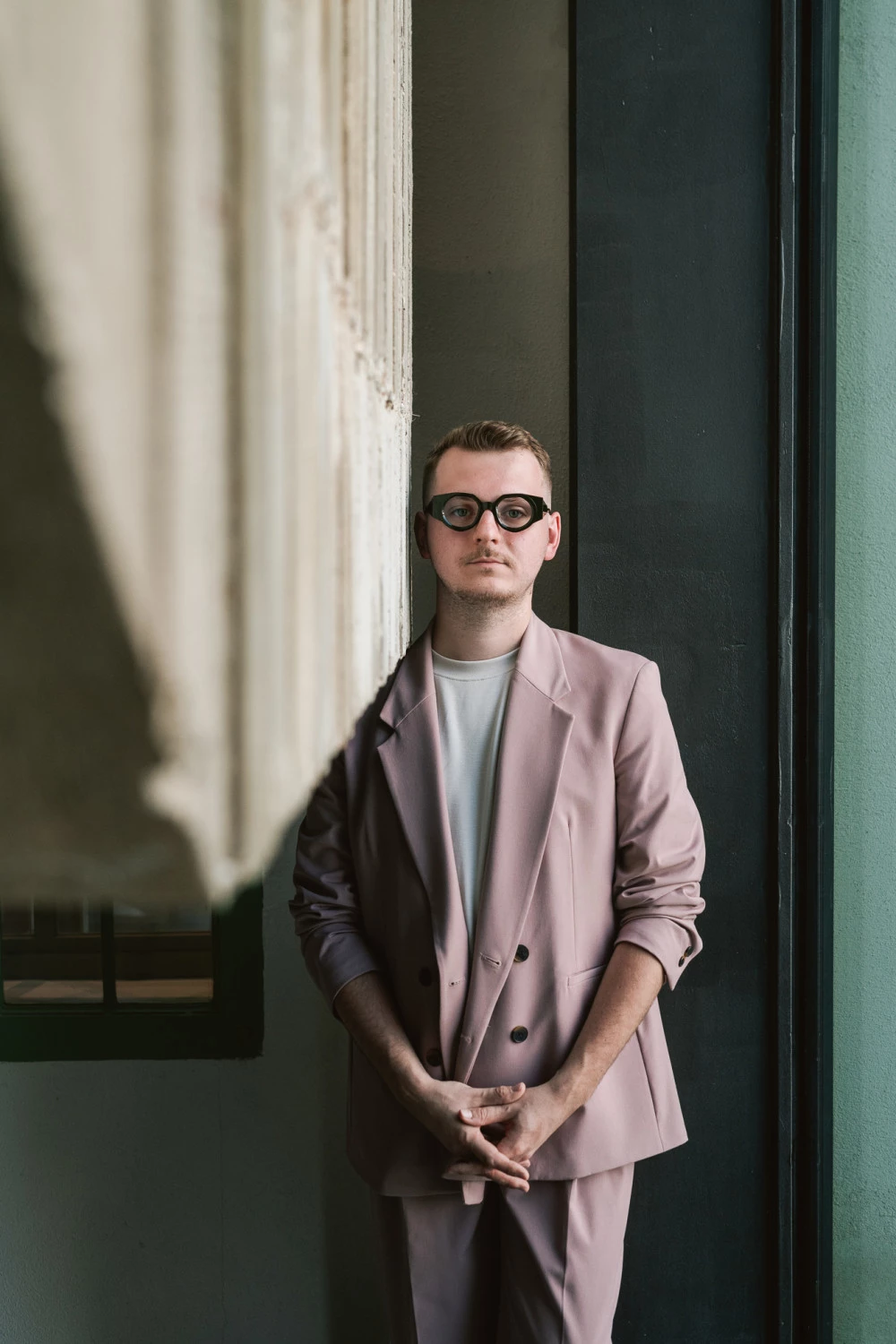
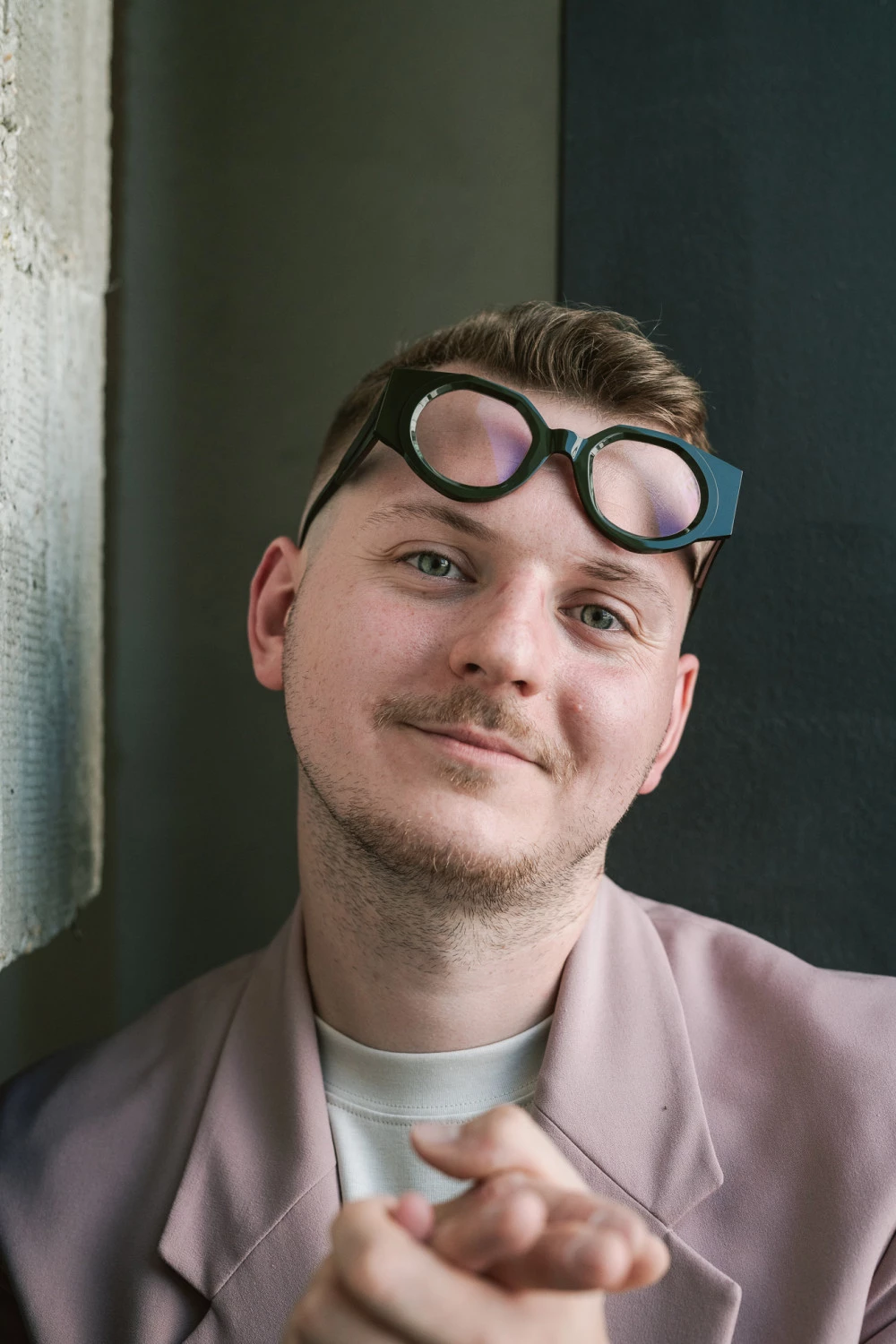
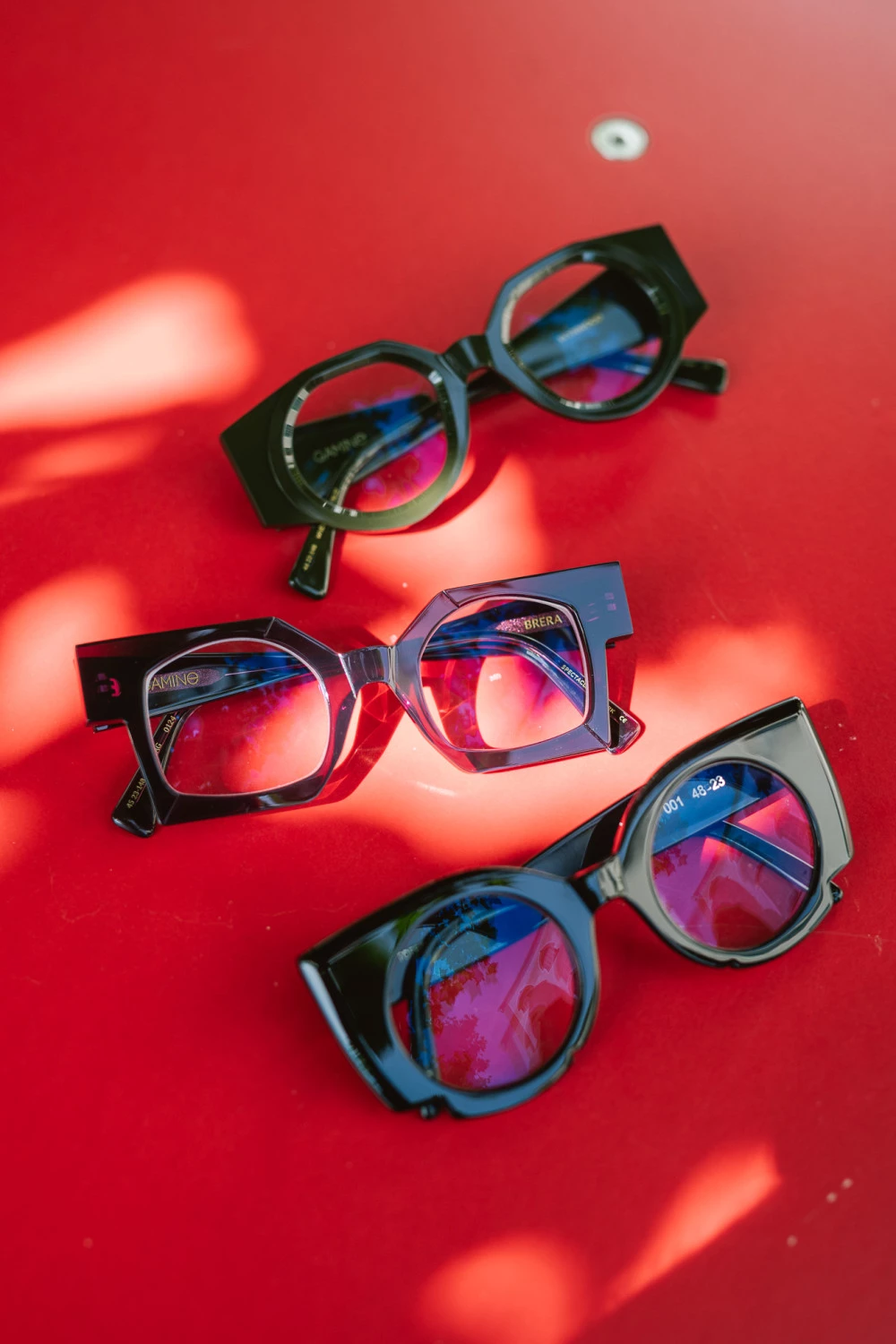
They came to ZITA together to choose new prescription glasses. Juraj chose a neutral frame in a green shade by Gamine – for a fashion enthusiast, it fits like a tailored suit.
"I sought out ZITA because these days we need another era of Jaroslav Trubac, who created beautiful eyewear design. At the same time, glasses complement our face and catch the eye at first glance. We can't just change our contours ourselves or connect interesting features in different ways, but glasses can help us do that."
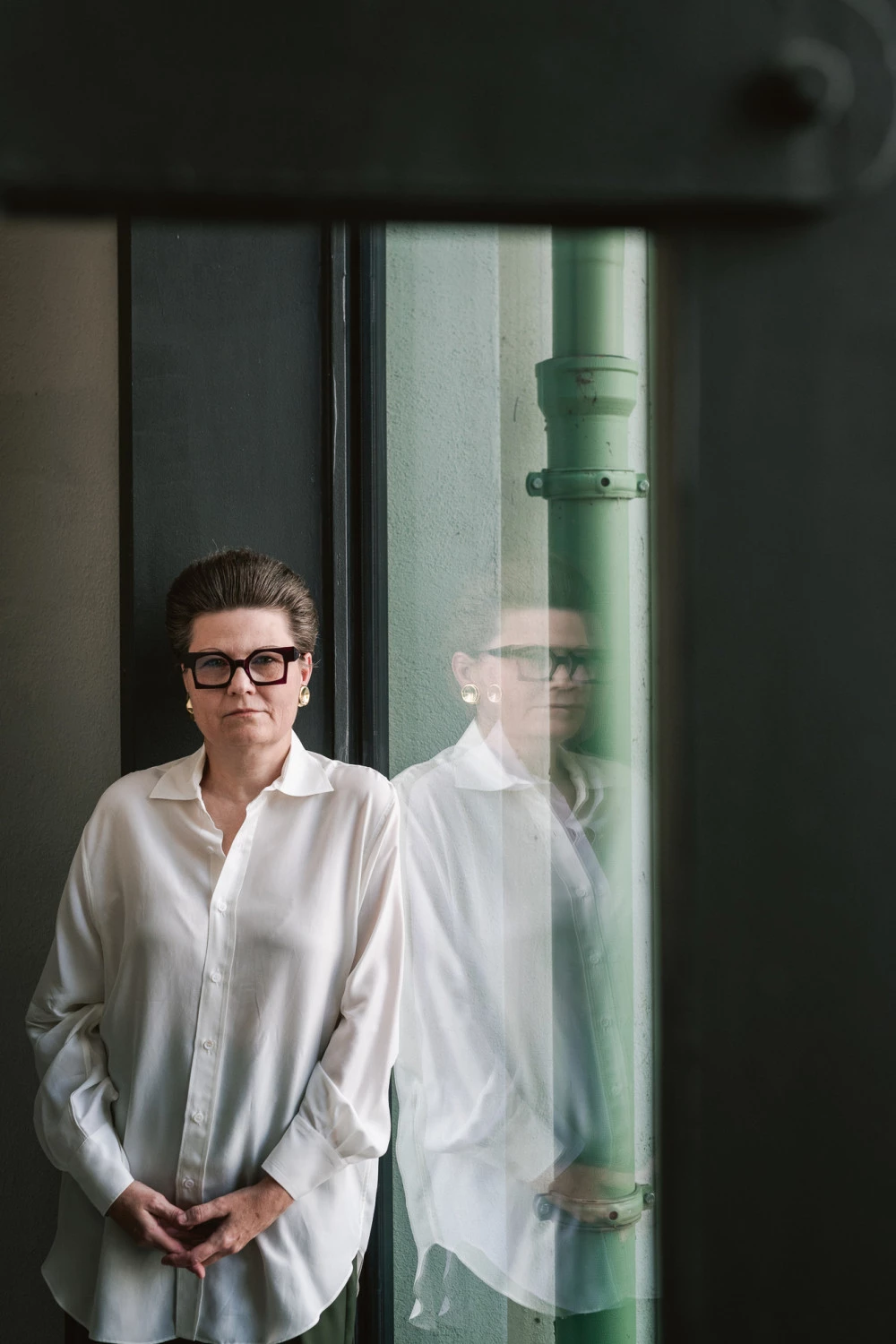
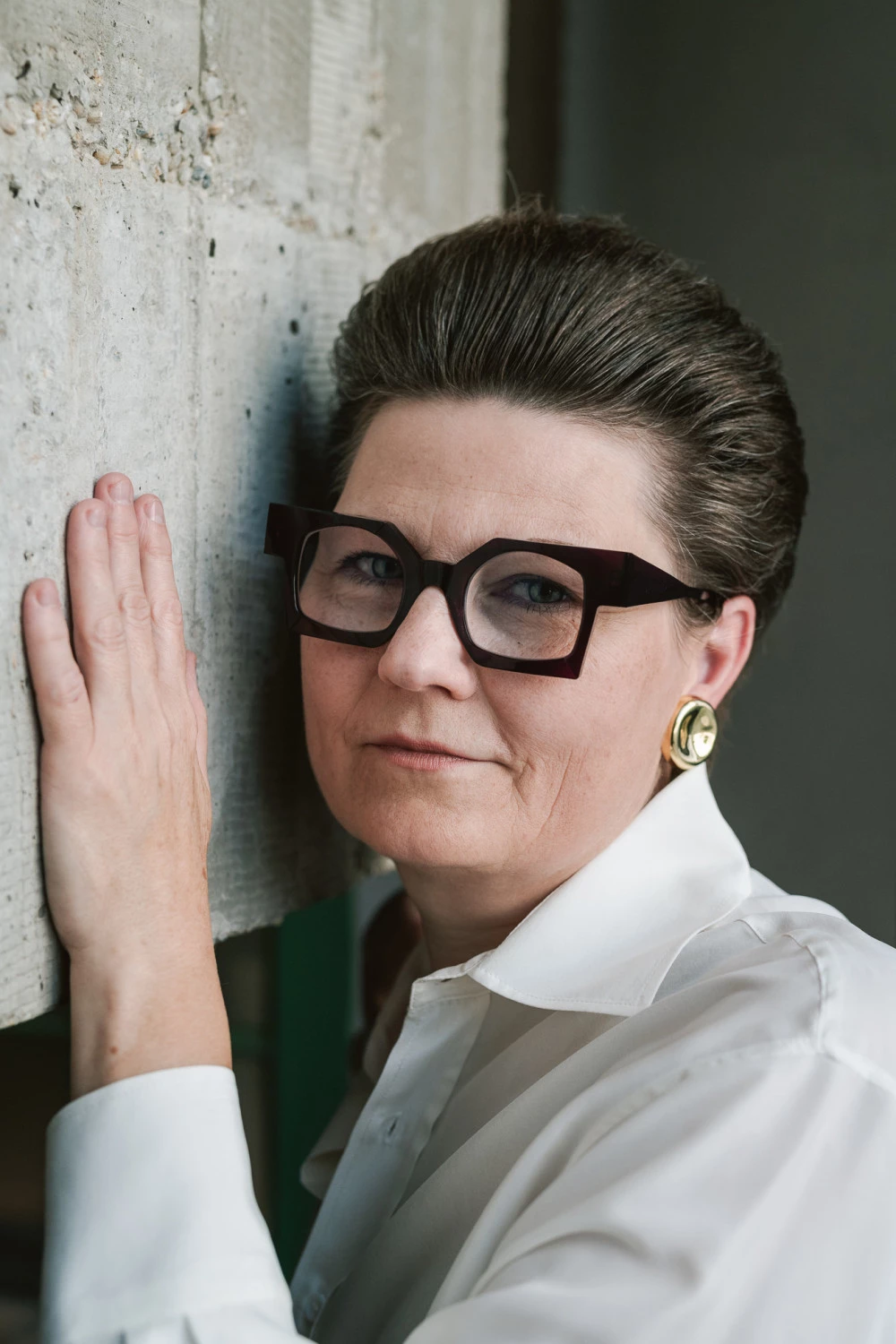
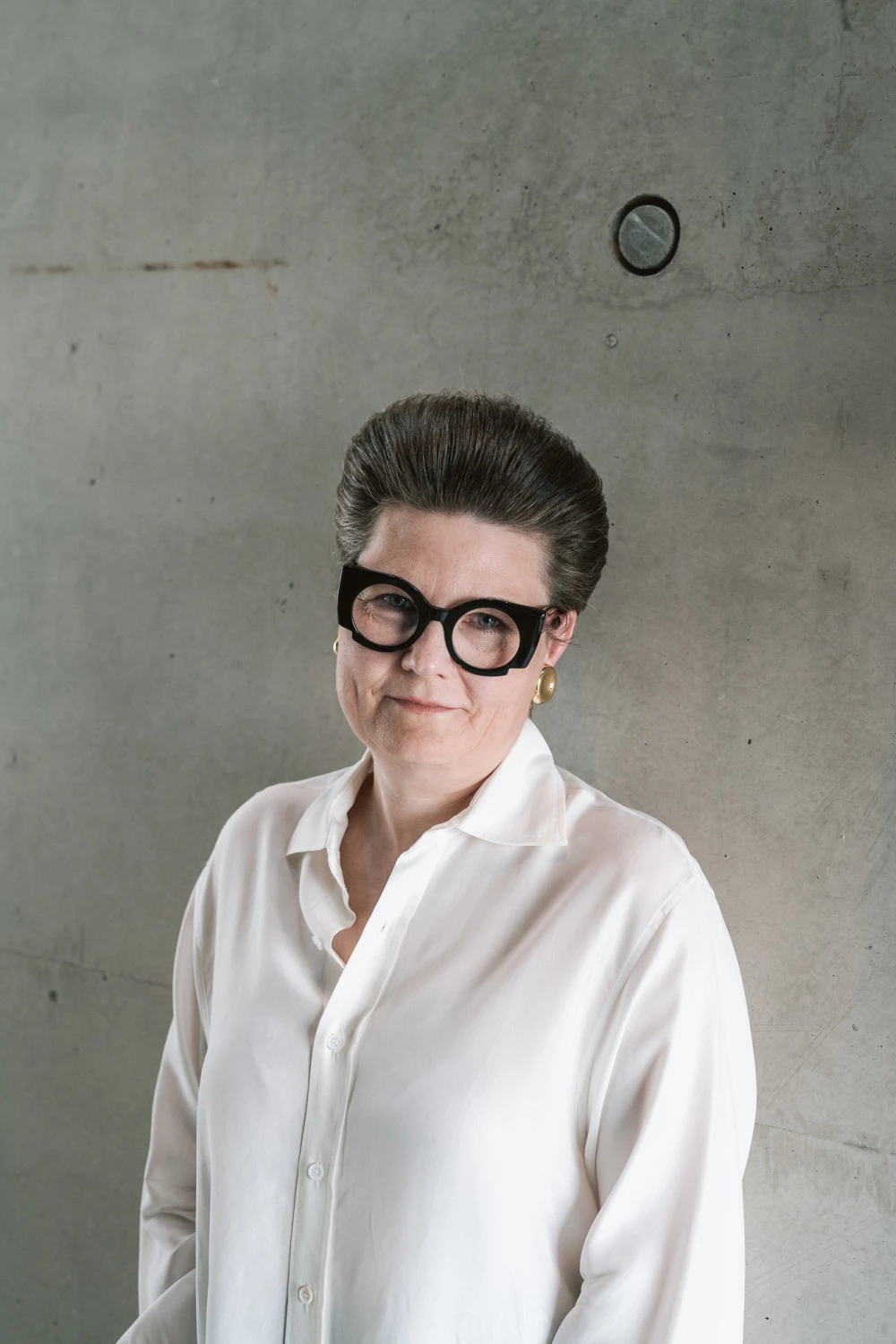
Katarina chose two frames straight away. She was drawn to the bold shapes of the Italian brand Costantino Toffoli and the angular cat-eye Gamine frame in an aubergine shade. As a passionate collector and wearer of vintage costume jewellery and designer pieces from the 20th century, she praises switching between glasses, which she considers an exceptional accessory.
According to Juraj, glasses are an investment not only in health but also in functional design, which is often forgotten. He considers an eyewear frame a very sophisticated thing. It serves a function but also has visual character.
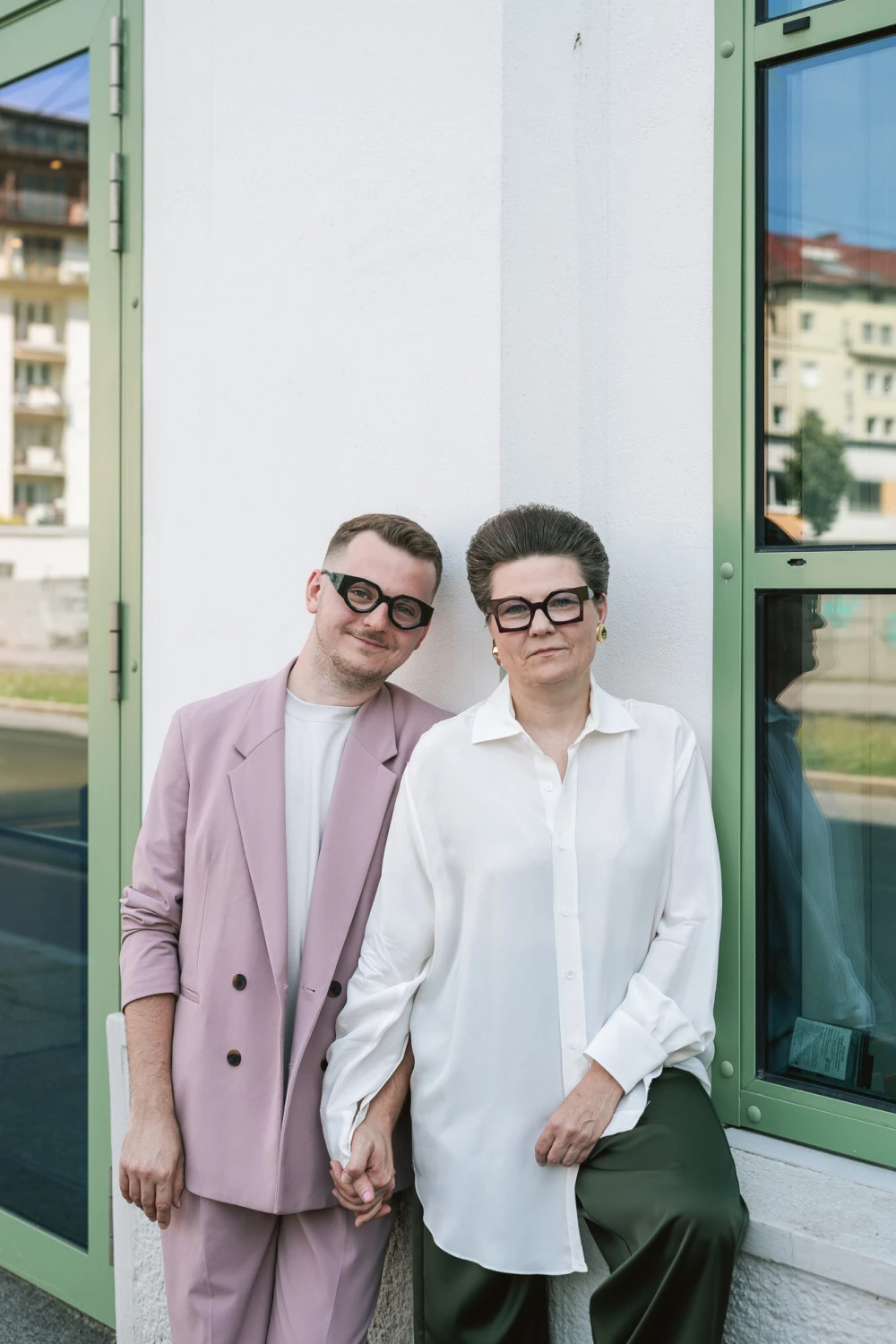
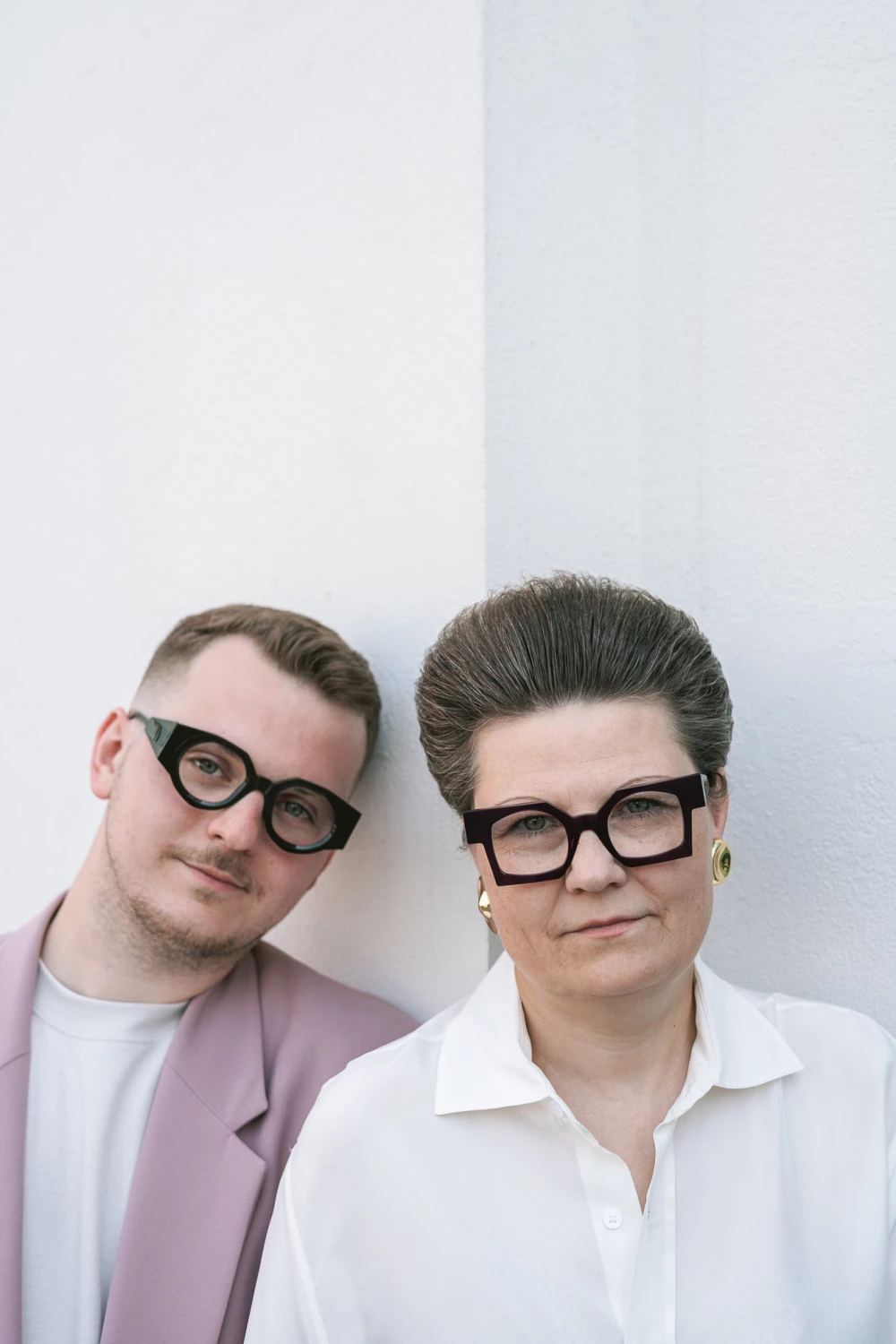
We asked Juraj to create a selection for us, in which he pays tribute to 20th-century eyewear design. You'll find in it frames inspired by the legendary Czech singer Naďa Urbánková and the unique era of Jaroslav Trubac, an eyewear designer who created during the times of former Czechoslovakia.
"Thanks to ZITA, after a long time the era of Naďa Urbánková is returning – she was criticised for wearing glasses on stage. But she defined the spirit of the time that way, set the style of eyewear, and built the foundations of a certain 'spectacle beauty'. And we want to continue in this inspiration."