Do you know what material your glasses are made from?


23. July 2025, Author: Monika Floreková, Photo: Nora Sapárová
When we choose new glasses, we usually notice the colour first. Then we glance at the shape, think about whether they suit us, and finally run our fingers over the surface and turn them in our hands. The design catches our eye first – but it's actually the material that plays a bigger role than you might think.
Acetate – a material with a craft soul
If you've ever held glasses that felt solid, warm to the touch, and played with colours like hand-mixed pigments, chances are they were made from acetate. Acetate is a cellulose material made from cotton and wood. Organic, strong, yet gentle. At ZITA we love its story and its character. You'll spot subtle details at first glance, it sits well on the face, and it feels honest in your hands. It's often used by independent designers and small makers who build on quality, not quantity.
Who is it for?
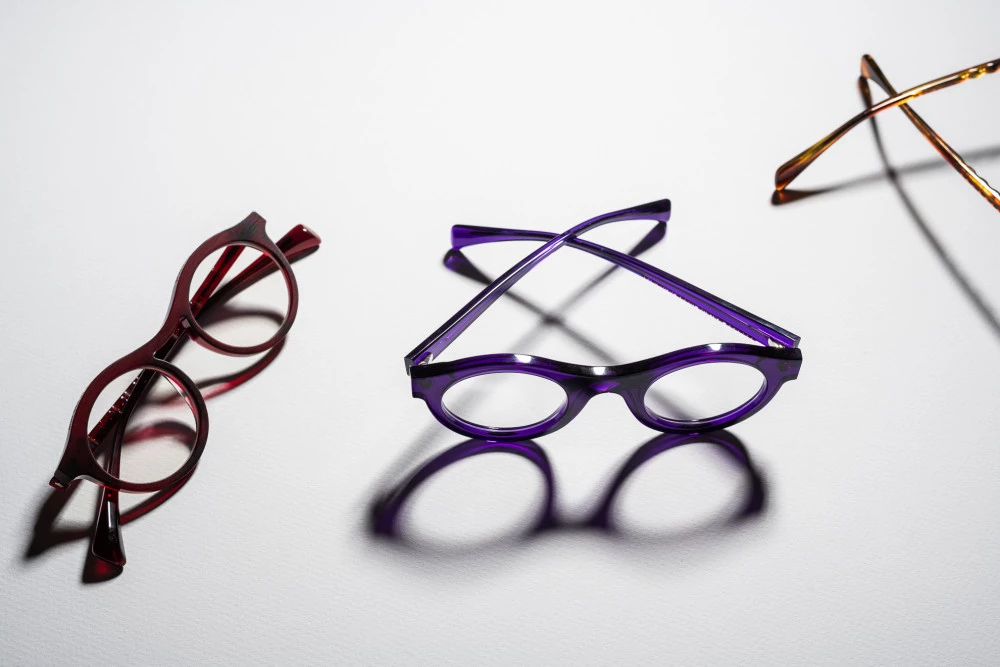
For those who want quality glasses that last, have character, and aren't afraid of colours or edges.
Why we love it:
- acetate frames are strong but easy to adjust,
- aesthetic variety – patterns, colours, boldness,
- comfort – when the frame fits well, you barely feel it on your face, plus the warmth of the material.
The titanium lightness of being
Titanium glasses are like a little cloud on your nose. They don't rust, don't cause allergies, don't weigh down your day. They're ideal for people who wear glasses all day and don't want to feel them there. The frames can be minimalist, elegant, understated. Their strength lies in simplicity, though they often surprise with bolder colour treatments.
Who is it for?
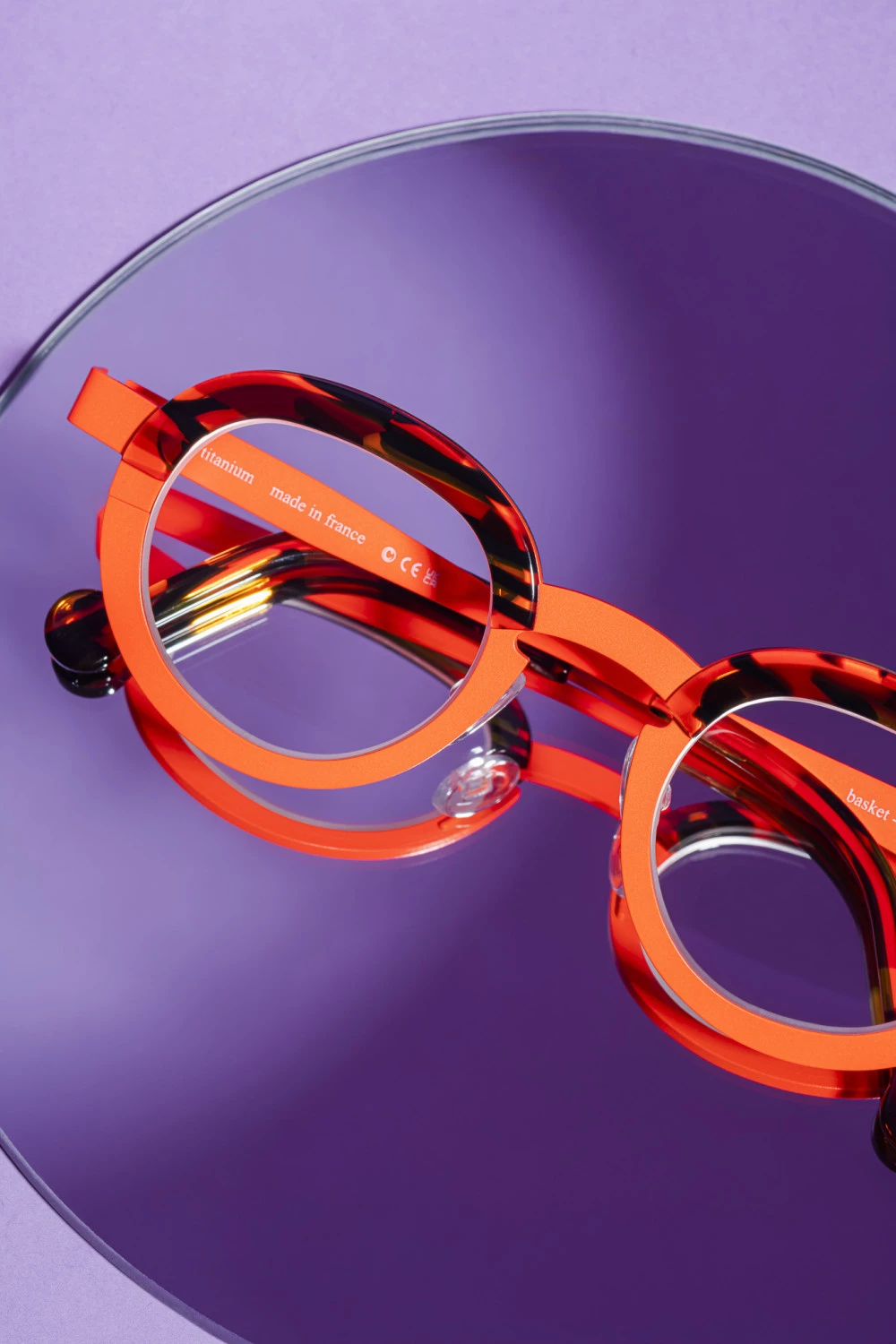
For those who appreciate lightness, function, and clean design. Also for anyone dealing with allergies or sensitive skin.
Why we love it:
- lightweight material,
- hypoallergenic properties,
- minimalist look,
- interesting technical solutions, like the hinges.
Metal, plastic, and other materials
Metal frames carry a sense of refinement and precision. Most often they're alloys or surgical steel – durable, though sometimes a bit more demanding in care. The frames are thinner, lighter, and elegant, but can be less flexible compared to acetate.
Plastic glasses today often fall into a lower price bracket. Not every plastic is bad, but the difference between a plastic frame and a hand-shaped piece of acetate is noticeable from the first touch.
Who are they for?
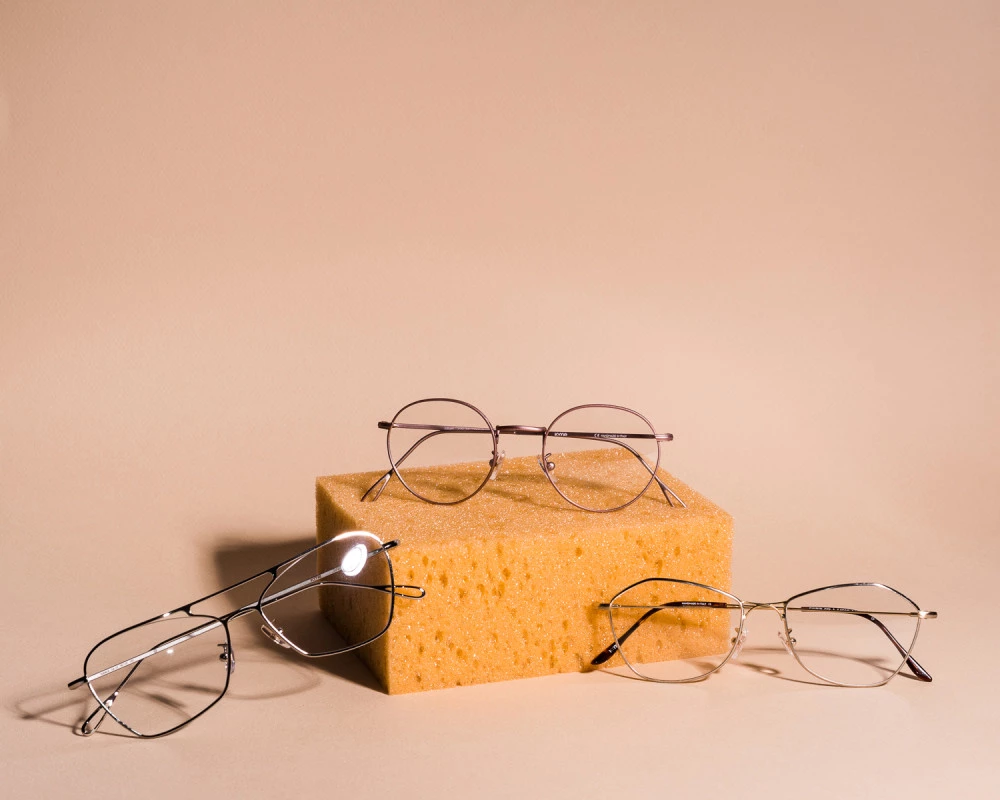
For those looking for a simple solution – though we recommend paying attention to quality craftsmanship.
Why we love it:
- gold or silver finishes feel like jewellery.
Plant-based material is an eco friend
In our collection you'll also find frames printed on a 3D printer. They're made from a material based on castor oil, and besides durability they bring a healthier and more considerate approach to our planet. Compared to regular plastics, this material has up to 47% lower carbon footprint. And since it comes from a plant, the crop absorbs carbon dioxide from the air as it grows and helps clean the atmosphere through photosynthesis.
Who are they for?
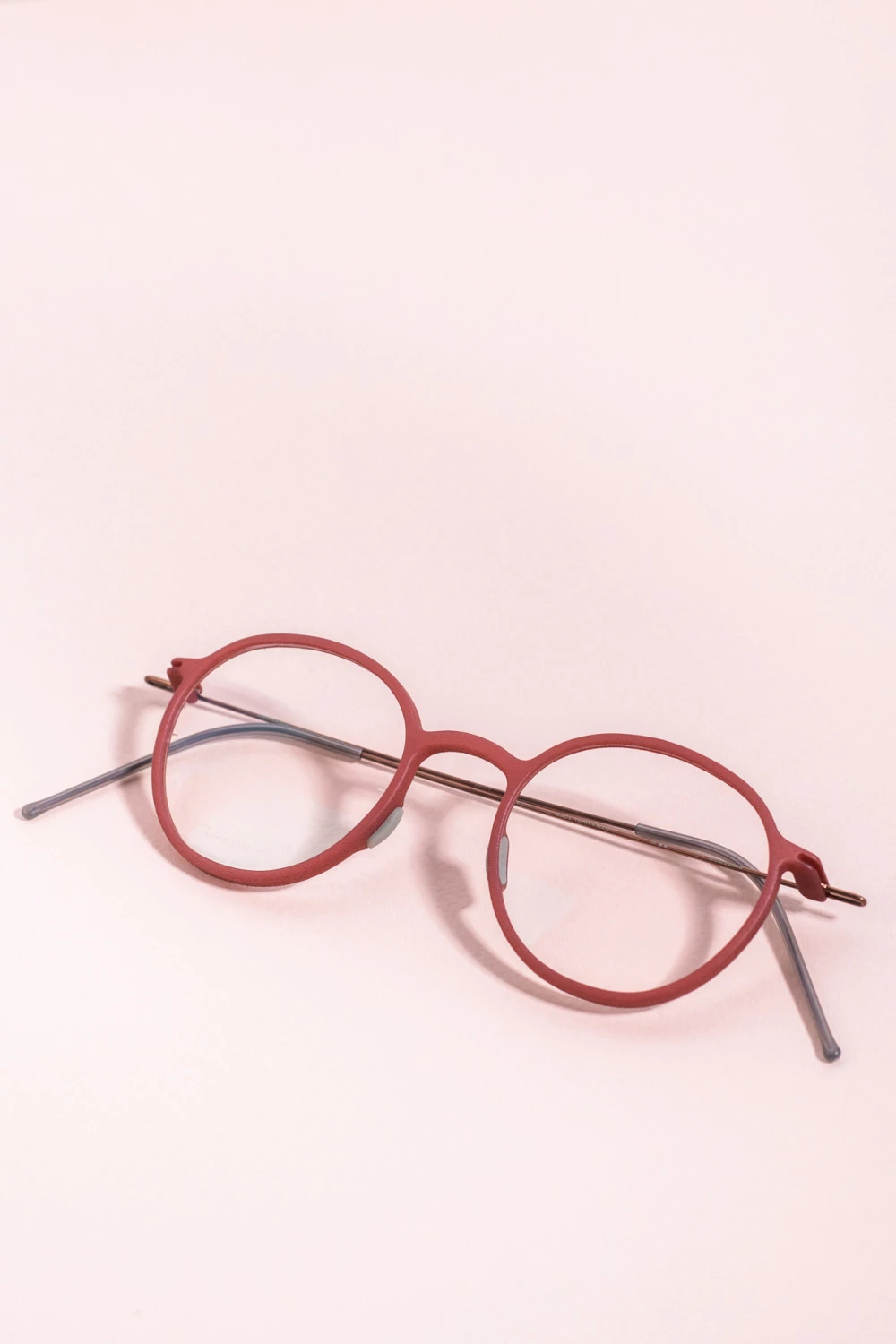
For those who care about ecology and are looking for sustainable or flexible materials.
Why we love it:
- frames are soft, flexible, and light,
- the material is impact-resistant,
- doesn't burden our planet.
How to choose the right material?
When choosing a frame, look beyond design at a few other areas:
- How often do you wear glasses? - Does the weight of the glasses matter to you? - Do you have sensitive skin? - Will your glasses take a bit of carelessness, or will you lovingly clean them every evening?
But the most important thing is to come try them on and feel them in person. Material is about touch, not parameters.